TLDR
• Core Points: Small UK hallways can feel larger with smart layouts, multifunctional storage, and reflective surfaces that maintain style without clutter.
• Main Content: A balanced approach combines vertical storage, light colors, and purposeful accessories to maximize space and enhance curb-to-doorway flow.
• Key Insights: Zone planning, scale-appropriate pieces, and consistent material palettes create cohesion in tight entryways.
• Considerations: Prioritize durability for high-traffic areas; consider rental or temporary solutions if applicable.
• Recommended Actions: Audit entry dimensions, select modular storage, and test lighting and mirrors before committing to a full scheme.
Content Overview
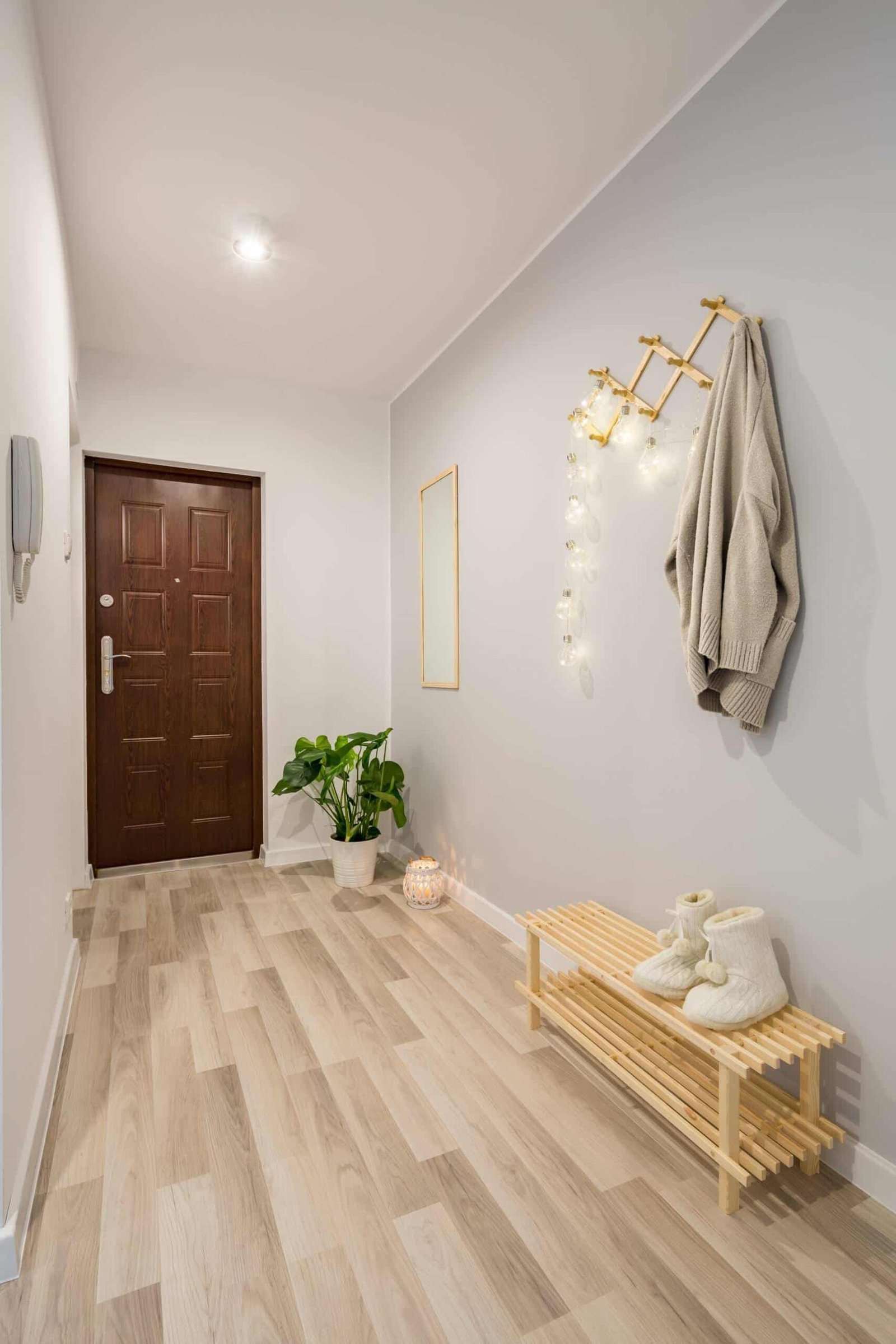
Tiny hallways and narrow entrances present a common design challenge in UK homes. Despite their compact footprint, these spaces set the first impression of a home’s style and can significantly influence daily routines. The goal for narrow hallways is not only to expand perceived space but also to create a practical, welcoming area where everyday tasks—such as removing shoes, grabbing coats, and transitioning from outdoors to indoors—are efficient and pleasant. This article synthesizes practical decorating ideas drawn from contemporary interior trends and expert guidance to help homeowners maximize both space and style in tight entryways. By focusing on scale-appropriate furniture, strategic lighting, reflective surfaces, and cohesive color schemes, even the narrowest UK entrances can feel brighter, more organized, and more cohesive with the rest of the home.
In narrow corridors, every inch counts. Design strategies center on three core themes: visual expansion, functional storage, and a calm, cohesive aesthetic. Visual expansion relies on light tones, large mirrors, and glossy or reflective finishes that bounce natural light deeper into the space. Functional storage prioritizes slim, modular solutions that tuck neatly into alcoves or behind doors without crowding the doorway. A cohesive aesthetic ties the space to the rest of the home with a restrained palette and consistent materials, so the hallway doesn’t feel disparate from living rooms, kitchens, or bedrooms.
This approach is particularly pertinent in the UK, where many homes feature compact entryways with limited width and depth. Implementing these ideas can transform a narrow corridor from a bottleneck into a well-lit, purposeful transition space. The following sections explore concrete tactics—layout considerations, storage options, lighting decisions, and decorative accents—that collectively elevate tiny hallways while respecting the constraints of narrow UK entrances.
In-Depth Analysis
A well-planned layout is the foundation of a successful narrow hallway makeover. Start by measuring the full width and depth of the corridor, including door swings and any alcoves. Where possible, avoid placing bulky furniture directly in front of doors, as this can block traffic flow. Instead, opt for slender profiles and wall-mounted solutions. A popular configuration involves a slim console table or wall-mounted shelf near the entry, paired with hooks or a hanging rail for coats and bags. When space is extremely tight, consider a wall-mounted bench with an integrated storage compartment. This type of seat offers a practical place to sit while putting on shoes and can conceal baskets or bins beneath for footwear, scarves, and smaller items.
Storage in a narrow hallway should be as modular and adaptable as possible. Wall-mounted hooks, slim trouser racks, and shallow shoe storage towers maximize capacity without encroaching on floor space. Behind a door, a slim storage cabinet or over-the-door organizer can hold keys, mail, and small accessories. If there is a recess or alcove, a shallow cabinet or a set of narrow shelving units can transform an underutilized nook into a functional closet-like zone. In rental properties or rented spaces, portable storage solutions that do not require wall anchors are particularly valuable. Freestanding units, rolling carts, and fabric organizers can create storage density without committing to permanent fixtures.
Lighting is crucial in narrow hallways, where natural light may be limited. A combination of overhead ambient lighting and task lighting near the entry can improve visibility and create a more inviting atmosphere. Consider layering light with wall sconces or vertical LED strips that run the length of the corridor. Mirrors play a dual role: they visually expand the space and reflect available light. A large mirror or a pair of slim mirrors positioned to reflect an exterior opening (like a front door or a window) can immediately increase brightness and perceived width. If possible, install lighting and mirrors at or near eye level to maximize their spatial impact without creating glare or obstructions.
Color and material palettes should be cohesive with the rest of the home to avoid a disjointed hallway. Light neutrals—such as soft whites, warm beiges, or pale greys—are reliable choices that reflect more light and read as airy. For contrast and depth, incorporate darker accents in a controlled manner, such as a black metal rail, a moody door color, or a charcoal floor runner. Maintaining a consistent material language—wood, metal, glass, and fabric—across the hallway and adjacent rooms helps the transition feel deliberate rather than abrupt. If the hallway shares flooring with adjacent rooms, ensure the floor treatment flows smoothly into those spaces to prevent jarring shifts in tone.

*圖片來源:Unsplash*
Decorative accents in a tiny hallway should be purposeful and not overdone. A single statement piece, like a framed art print or a compact wall-mounted sculpture, can add personality without crowding the walls. Hydrating plants or a small, low-maintenance specimen near the entry can introduce life and color without requiring extra floor space. Rugs or runners should be narrow and appropriately sized for the corridor’s length, with non-slip backing for safety. When selecting textiles and finishes, durability is essential in high-traffic zones; choose materials that are easy to clean and withstand daily use.
Practical considerations for narrow UK entrances also include weather protection and material durability. Upon entry, doormats should be moisture-absorbing and durable to reduce water and dirt tracked into the home. Coat hooks and benches used near the door should withstand frequent use and potential weight from coats, bags, and accessories. For households with children or pets, lower storage solutions should still be sturdy and easy to reach, with rounded edges and child-safe finishes where applicable.
Perspectives and Impact
The broader implication of optimizing tiny hallways extends beyond immediate aesthetics. A well-designed narrow entrance sets a tone of organization, calm, and intentional living that can influence the rest of the home. When entryways are clutter-free and light-filled, residents often experience reduced visual stress and an easier daily routine, from grabbing a jacket on the way out to returning with groceries and bags. The psychological impact of a tidy, bright entrance can improve mood and create a welcoming first impression for guests.
From a sustainability perspective, space-efficient design aligns with minimalism and practical consumption. Choosing modular, durable pieces reduces the need for frequent replacements and supports a longer product life. Additionally, the use of light colors and reflective surfaces can reduce the need for artificial lighting during daytime, contributing to energy savings. The trend toward multipurpose furniture—such as benches with hidden storage or wall-mounted desks in compact entryways—also emphasizes the value of versatile design in small homes.
Looking ahead, future developments in compact furniture and smart home accessories will further empower homeowners to maximize tiny hallways. Innovations in modular shelving, fold-away seating, and magnetic or hook-based storage systems offer flexible configurations tailored to individual needs. As living spaces become increasingly compact, designers are likely to emphasize micro-zoning within corridors—subtle delineations that guide flow while preserving openness. Sustainable materials, recycled metals, and low-VOC finishes will likely gain prominence in hallway renovations as awareness of indoor air quality and environmental impact grows.
Key Takeaways
Main Points:
– Use vertical storage and wall-mounted solutions to free floor space.
– Light colors, mirrors, and reflective finishes expand perceived space.
– Choose cohesive materials and a restrained palette to maintain flow with adjacent rooms.
Areas of Concern:
– Overcrowding walls with too many hooks or art can make a hallway feel busy.
– Cheap, flimsy storage fails quickly in high-traffic zones.
– In rental properties, permanent alterations may be restricted; plan accordingly.
Summary and Recommendations
Transforming a narrow UK hallway into a space that feels larger and functions more efficiently is achievable with deliberate choices in layout, storage, lighting, and materials. Begin by accurately measuring the corridor and listing essential activities performed in the space. Prioritize slim, modular storage that can be mounted to walls or tucked into alcoves, preserving precious floor space for movement. Invest in lighting that layers ambient, task, and accent layers to brighten the corridor and create depth. Integrate mirrors to reflect light and visually widen the corridor, ensuring placements avoid glare or obstruction. Select a cohesive color palette and material language aligned with the rest of the home to ensure a seamless transition from entry to interior rooms. Finally, curate decorative accents that add personality without crowding walls or shelves. By focusing on proportion, material consistency, and practical storage, homeowners can enjoy a stylish, functional entrance that stands up to daily use.
References
– Original: https://abeautifulspace.co.uk/tiny-hallway-decorating-ideas-for-narrow-uk-entrances/
– Additional references:
– https://www.housebeautiful.com/uk/decorate/entryways/
– https://www.homedecorators.com/blog/small-hallways-design-tips/
– https://www.realhomes.com/advice/tiny-hallways-small-hens

*圖片來源:Unsplash*