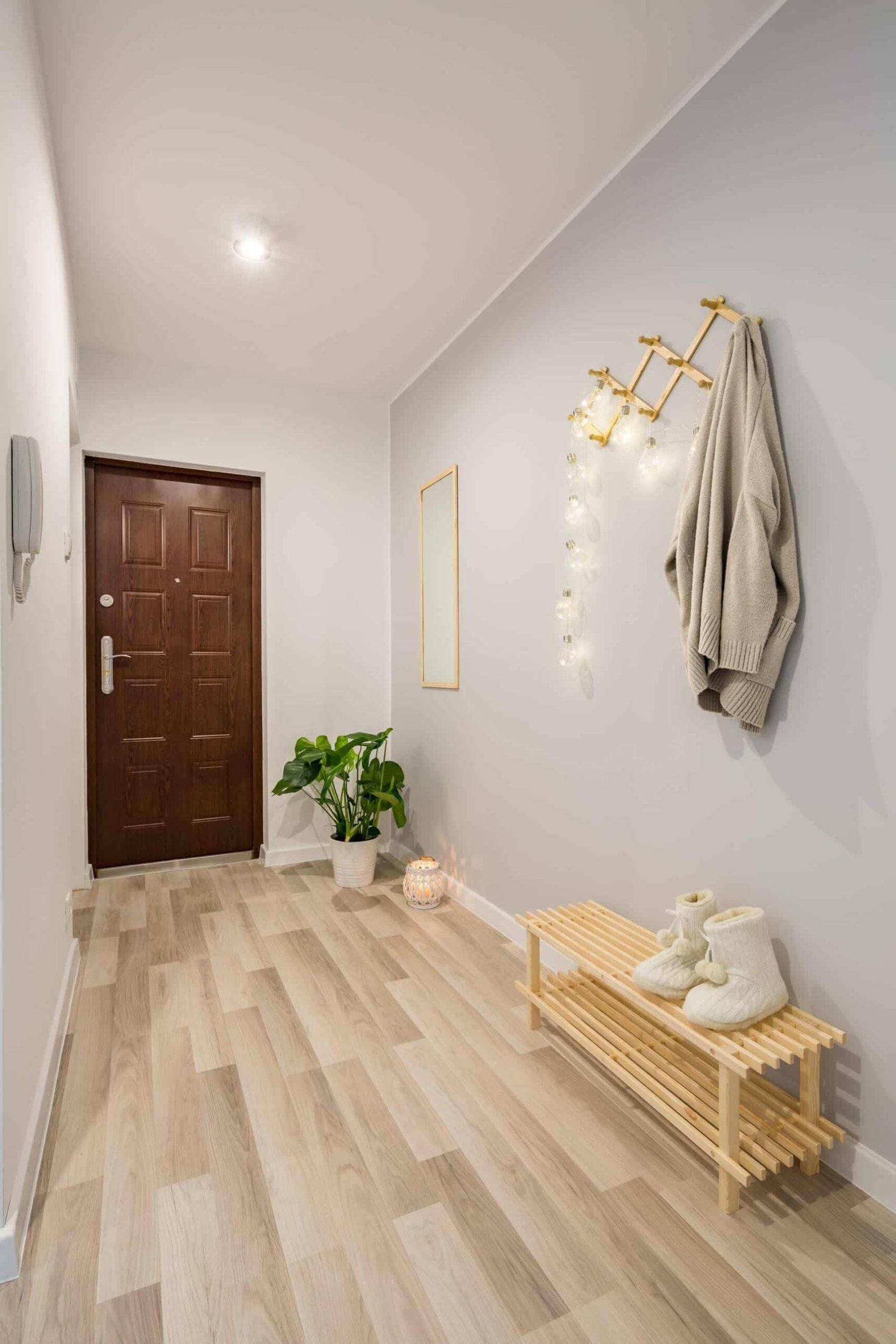
TLDR
• Core Points: Small UK hallways can feel expansive with smart layout, light, mirrors, storage, and curated decor.
• Main Content: Practical, space-saving decorating ideas tailored to narrow UK entrances, with accessibility and safety in mind.
• Key Insights: Use vertical storage, light-reflecting finishes, and navigable pathways; avoid clutter and overly heavy furniture.
• Considerations: Floor plan constraints, natural light limitations, and maintenance of chosen materials.
• Recommended Actions: Plan a cohesive color scheme, install slim storage solutions, and test lighting and rug choices before committing.
Content Overview
Hallways in many UK homes are compact corridors that serve as both入口 and flow-through spaces. Their design can significantly impact the perceived size and practicality of the entire home. A well-planned narrow entrance doesn’t just greet guests; it provides essential functionality—coat storage, shoe organization, umbrella landing, and a safe, unobstructed path to the interior. This article compiles practical decorating ideas for tiny UK hallways that help maximize space and style without compromising usability. It draws on widely available interior design principles—scale, light, color, texture, and organization—and adapts them to the constraints of narrow corridors, common UK architectural features, and typical entryway needs. The goal is to offer readers actionable strategies: how to choose furniture with slender profiles, how to optimize vertical space, which lighting setups brighten a dim hallway, and how to integrate decorative touches without creating visual clutter.
In-Depth Analysis
1) Assessing the Space and Defining Priorities
A successful narrow hallway design begins with a clear assessment of dimensions, door swing clearance, and traffic patterns. In many UK homes, hallways are not just routes but transitional zones that can double as storage nooks. The first step is to measure length, width, and ceiling height, and to map available wall space where slim furniture or wall-mounted solutions can be installed. Priorities typically include coats and footwear storage, a place for bags and keys, a mirror for quick checks before leaving, and a lighting plan that eliminates shadows and makes the space feel open. By establishing a hierarchy of needs, you can select components that address daily use while maintaining a cohesive aesthetic.
2) Color and Visual Perception
Color choice dramatically influences perceived space. Light, neutral tones—soft whites, warm beiges, and pale greys—reflect more light and can make a narrow hallway feel airy. Introducing subtle color accents through accessories like a runner, artwork, or a narrow console can add personality without overpowering the space. In some UK homes, limited natural light necessitates strategies beyond paint: reflective surfaces, satin or gloss finishes, and large mirrors can amplify light. A consistent color story that spans walls, storage fronts, and textiles helps create a streamlined look that reads as a larger, more intentional entry.
3) Storage Solutions with Slim Profiles
Storage is the backbone of a functional narrow hallway. The aim is to maximize capacity while preserving clear walking space. Consider:
– Slim coat hooks or a narrow wall-mounted rack instead of bulky coat stands.
– Narrow benches with integrated storage or a discreet drawers-and-hutch combo that fits a shallow alcove.
– Wall-mounted shoe storage or a slim shoe cabinet placed against an unobtrusive wall.
– Vertical storage: tall, narrow cabinets or wall-mounted cubbies that use height rather than depth, keeping floors clear.
– Hidden storage under seating or stairs where feasible, to reclaim otherwise wasted space.
The key is to avoid overfilling. A curated selection of frequently used items in accessible locations reduces clutter and keeps the hallway inviting.
4) Mirrors and Lighting as Force Multipliers
Mirrors are a time-tested strategy for small spaces. A well-placed mirror can visually double the perceived width of a hallway, especially when positioned opposite a window or a light source. Consider full-length or oversized framed mirrors that coordinate with the room’s hardware and finishes. Lighting should be layered to eliminate shadows and create a sense of airiness. Options include:
– Recessed ceiling lights or slim, modern ceiling fixtures for even illumination.
– Wall sconces flanking a mirror to enhance function and ambiance.
– LED strip lighting along the underside of a wall shelf or within a shallow console to provide gentle, continuous light.
– Natural light should be maximized whenever possible by keeping window treatments minimal and choosing translucent materials for any coatings or screens.
5) Flooring, Rugs, and Textures
Flooring sets the foundation for a cohesive hallway aesthetic. Choose durable, easy-to-clean materials in hues that complement walls and storage fronts. Lighter floors can brighten a narrow space, while continuous flooring without heavy transitions helps maintain a visual flow. A slim, low-pile rug or runner can add warmth and define a path. If you select a rug, ensure it is properly secured with non-slip underlay and stays aligned with the walking line to prevent tripping. Textures add interest without crowding the field of view, so incorporate materials like natural wood, stone-inspired tiles, or matte finishes that resist showing traffic patterns.
6) Hardware and Finish Details
Cohesion across hardware—door handles, cabinet pulls, and light fixtures—unifies a compact entry. In narrow spaces, choose hardware with clean lines and slim profiles. Matte nickel, brushed brass, or black metal finishes provide contemporary drama without overwhelming the space. If your hallway includes doors that swing into the space, ensure clearance by selecting prefered hardware and hinge placement that do not protrude into the corridor. Finish choices should be durable enough to handle high-traffic use, especially in busy UK homes where mud and moisture are common in entryways.
7) Personalization with Restraint
Tiny hallways can benefit from a few well-chosen decorative touches. Consider:
– A single focal piece such as a framed photograph or a piece of art that speaks to your style, scaled to fit the wall without crowding it.
– A compact storage bench with a favorite cushion for a pop of color.
– Greenery in a slim planter to bring life while maintaining vertical space.
Since the hall is a transitional zone, avoid heavy ornaments or oversized furniture that can block flow. The goal is subtle, curated personality rather than a busy vignette.
8) Accessibility and Safety
In a narrow hallway, accessibility and safe navigation are paramount. Ensure there is a clear walking path of at least 900 millimeters (about 3 feet) where possible. Avoid placing loose mats or rugs that could slide or bunch. If you use wall-mounted lighting, verify cords are hidden or secured to prevent tripping. For households with mobility concerns or home security considerations, consider features like key hooks at a reachable height, a small digital entry keypad, or a compact mail storage solution that reduces clutter and enhances safety.
9) Seasonal and Practical Considerations
UK homes experience a range of weather and seasonal shifts. A hallway that functions well throughout the year should accommodate seasonal footwear, coats, and accessories. Consider a small, ventilated storage option for damp items during rainy seasons. A resilient, washable surface for any rug or runner is beneficial, as is a moisture-resistant finish on walls near entrances to withstand scuffs and damp. Regularly reassessing stored items ensures the space remains efficient despite changing needs.

*圖片來源:Unsplash*
10) Case Studies and Real-World Applications
Real-world examples emphasize the versatility of narrow hallway design. For instance, a slim console with integrated baskets created additional storage without dominating the corridor. A tall mirror placed at the end of the hall made a short corridor feel longer, while LED lights embedded in wall shelving provided practical illumination and a sense of depth. Small benches with hidden storage offered a spot to sit and remove shoes while maintaining a tidy appearance. These approaches demonstrate that even the most constrained entryways can be transformed with thoughtful planning and high-quality, space-conscious pieces.
Perspectives and Impact
Designing for narrow UK entrances reflects broader trends in urban living where space is a premium. The evolution of compact, multi-functional furniture that blends aesthetics with utility is central to modern interior design. The strategies highlighted here align with principles of minimalism, efficiency, and personalization. By prioritizing vertical storage, light-enhancing materials, and cohesive color palettes, homeowners can create entry corridors that feel larger than their actual footprint while still meeting everyday functional demands. This approach also carries implications for housing market appeal; well-designed entryways can improve perceived value and set the tone for the rest of the home.
Emerging technologies and materials, such as modular wall systems, customizable storage units, and smart lighting, offer opportunities to further optimize narrow hallways. For the future, designers may explore adaptable modules that can reconfigure as needs change, or integrated charging and smart home hubs discreetly embedded within slim furniture solutions. The ongoing challenge is balancing form and function in increasingly compact living environments while maintaining a welcoming, comfortable atmosphere.
Key Takeaways
Main Points:
– Narrow hallways benefit from vertical storage, slim profiles, and wall-mounted solutions.
– Light colors, reflective surfaces, and mirrors amplify perceived space and brightness.
– A curated approach to decor reduces clutter and enhances flow without sacrificing personality.
Areas of Concern:
– Overcrowding the hallway with furniture can impede movement and safety.
– Inadequate lighting or poor rug placement may create shadows or trip hazards.
– Inconsistent hardware or finishes can disrupt the cohesive look of a small entrance.
Recommendations:
– Plan a cohesive color story and select multi-functional, slim storage components.
– Use mirrors and layered lighting to maximize brightness and perceived width.
– Prioritize a clear, unobstructed path and regularly reassess items stored in the hallway.
Summary and Recommendations
A tiny UK hallway can be transformed from a cramped, utilitarian space into a well-organized, welcoming entry with the right approach. The core strategies involve careful measurement and prioritization of needs, followed by the thoughtful selection of slim, vertical storage options and furniture with a low profile. Color choice, lighting, and reflective surfaces can do much to expand the visual field, while a restrained decorative program keeps the space calm and navigable. By focusing on a few essential elements—functionality, light, and cohesion—homeowners can enhance both the utility and the aesthetic of narrow entrances. The result is a practical, stylish entry that sets a positive tone for the rest of the home.
References
- Original: https://abeautifulspace.co.uk/tiny-hallway-decorating-ideas-for-narrow-uk-entrances/
- Additional references:
- https://www.designingbuildings.co.uk/wiki/Hallway_design
- https://www.housebeautiful.com/uk/decorate/interiors/g25277088/narrow-hallway-ideas/
- https://www.idealhome.co.uk/bathroom-and-kitchen/hallway-ideas-UK-155058
Forbidden:
– No thinking process or “Thinking…” markers
– Article must start with “## TLDR”
This rewritten article preserves factual considerations relevant to decorating narrow UK entrances, emphasizes practical design guidance, and maintains an objective tone suitable for a professional readership.

*圖片來源:Unsplash*