TLDR
• Core Points: Small UK entrances can be transformed with smart storage, vertical accents, and tailored lighting to create a spacious, cohesive look.
• Main Content: Practical layout changes, compact furniture, and color/light strategies optimize narrow hallways without sacrificing personality.
• Key Insights: Vertical space, multi-functional pieces, and reflective surfaces are essential for perceived openness.
• Considerations: Entrances must balance traffic flow, accessibility, and durability of materials in high-use areas.
• Recommended Actions: Assess dimensions, choose slender storage, implement bright, neutral palettes with strategic color accents, and add mirrors or glass for depth.
Product Review Table (Optional)
No product reviews required for this article.
Content Overview
Narrow UK entrances often present a challenge: how to welcome guests with warmth and function in a space that feels constricted by walls, doors, and constant foot traffic. The essence of effective tiny hallway decorating lies in maximizing every square inch through thoughtful organization, smart material choices, and a cohesive design narrative that unifies the transition from outdoors to home. This article explores practical strategies for transforming compact hallways into practical, stylish zones that set the tone for the rest of a property. We examine layout optimization, storage solutions, lighting, materials, color psychology, and decorative accents that work specifically in narrow, high-traffic UK interiors. While the core principles are universal, attention to local materials, footprints, and weather considerations helps ensure that these design choices perform well in UK homes.
In-Depth Analysis
Designing a compact hallway involves understanding the flow of movement and the moments of pause—where people stop, remove coats, put down bags, and prepare to enter living spaces. In narrow British entrances, every centimeter counts, so the emphasis is on multi-functional elements and deliberate line work that enhances perceived space.
Layout optimization is foundational. Consider a straight or L-shaped corridor and map the primary pathways: entry from the outside, access to rooms, and the location where outdoor gear is donned and stored. Where possible, run furniture along one wall to keep the main walkway clear. If doors swing inward, assess whether recessed or sliding door options are feasible to minimize obstruction. In some layouts, a narrow console or wall-mounted unit can serve as a drop zone without intruding into the walkway.
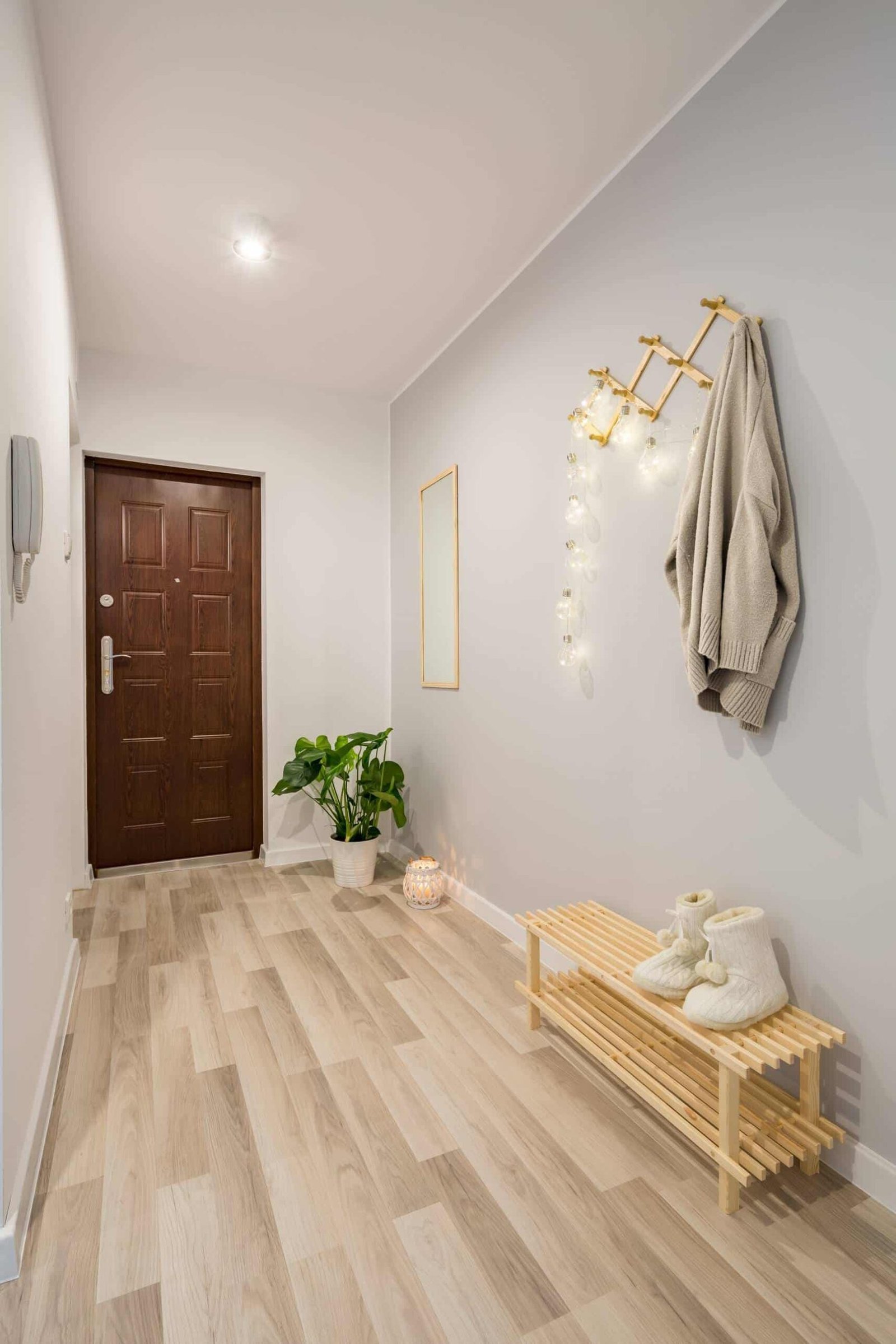
Storage is the most impactful area for tiny hallways. Because UK entrances frequently contend with coats, shoes, umbrellas, and keys, select storage that is slim yet expansive in function. Options include tall, slender wardrobes or coat cabinets with shallow depths, wall hooks arranged at varying heights for coats and bags, and shoe storage that stacks vertically or sits behind a shallow cabinet door. Entryway benches with integrated storage also offer a place to sit while putting on footwear and provide hidden compartments for seasonal accessories. The goal is to keep the surface free of clutter while maintaining easy access to daily necessities.
Vertical space presents a major opportunity. In narrow spaces, vertical design draws the eye upward, creating a sense of height and airiness. Tall cabinets, wall-mounted storage, and open shelving placed above eye level help store frequently used items without occupying floor space. When selecting wall-mounted units, ensure they have a soft-close mechanism and recessed or flush mounting to prevent protrusions that could snag clothing or create tripping hazards.
Lighting is a critical driver of perception in small hallways. A well-lit entrance reduces shadows that can make a space feel cramped. For UK homes, layer lighting with a combination of ambient ceiling lights, task lighting near storage zones, and decorative accents that reflect light. Consider wall sconces or slim LED strips placed above or beside mirrors to create an illusion of depth. If natural light is limited, lean into reflective surfaces—polished metals, glass, or high-gloss finishes—that bounce available light without requiring bulky fixtures.
Colors and materials set the mood and determine how spacious a hallway feels. Light, neutral palettes—soft whites, warm creams, and pale gray tones—tend to open up space and provide a versatile backdrop for accent colors. In UK interiors, pairing these neutrals with natural textures such as wood, brick, or stone can add warmth without visually compressing the space. Visual cohesion between the hallway and adjacent rooms helps create a seamless transition that enhances the sense of flow.
Mirrors are a classic tool for expanding narrow spaces. A well-placed mirror can visually double the apparent width of a corridor and reflect both light and color from the opposite side. In smaller UK foyers, consider a tall mirror mounted at one end or a series of smaller framed mirrors arranged along a wall. For a more integrated look, choose frames that echo the hardware and finishes used elsewhere in the home.
Decorative accents should be carefully curated to avoid clutter. In tight spaces, less is more: a single statement piece, such as a textured rug, a small piece of artwork, or a designed gallery wall with limited frames, can infuse personality without overwhelming the space. Use accessories that echo the home’s broader style—whether it’s modern minimalist, rustic, traditional, or contemporary chic—to maintain a cohesive aesthetic. The key is to balance form and function, ensuring that decorative items contribute to the entry’s warmth and practicality.
Materials should be chosen with durability and maintenance in mind. UK hallways can experience exposure to wet weather and muddy footwear, so finishes that resist scuffs and moisture are practical. Solid wood, treated timber laminates, and tiled options with slip-resistant surfaces offer longevity for flooring and furniture. For wall finishes, consider washable paints or durable wall coverings that can withstand regular cleaning without showing wear quickly.

*圖片來源:Unsplash*
Practical steps for implementing tiny hallway improvements include a phased approach:
– Assess exact measurements: width, length, door swing directions, and any obstacles.
– Prioritize vertical storage and wall-mounted solutions to free floor space.
– Choose a color palette that lightens the room, then introduce subtle color accents through textiles and accessories.
– Install lighting that layers ambient, task, and accent illumination.
– Select durable, easy-to-clean materials suitable for a high-traffic UK entry.
Maintenance and adaptability are also essential. As seasons change and daily routines evolve, flexibility in storage configurations helps preserve an uncluttered feel. Removable hooks, modular shelving, and adjustable units can adapt to changing needs, such as growing footwear collections or seasonal outerwear.
The article also highlights the importance of considering accessibility and safety. Ensure walkway clearances meet local building codes and that storage does not obstruct doorways or emergency routes. Non-slip flooring choices and secure installation of wall-mounted items reduce the risk of injury or rearrangement-related accidents in busy entrances.
In sum, tiny hallway decorating ideas for narrow UK entrances revolve around clever storage, vertical emphasis, controlled color schemes, lighting sophistication, and durable materials. By combining these elements, homeowners can craft an entryway that feels generous, welcoming, and thoroughly practical—an immediate touchstone that sets a positive tone for the rest of the home.
Perspectives and Impact
The broader implications of optimizing narrow hallways extend beyond aesthetics. Efficient use of small entryways contributes to everyday quality of life, enabling quicker transitions in and out of the home, reducing indoor clutter, and enhancing perceived home value. In the UK context, where homes often feature compact, space-efficient layouts, these design approaches respond to cultural expectations for neatness, practicality, and understated elegance.
As architectural and interior design trends continue to favor multifunctional spaces, the tiny hallway becomes a proving ground for innovative storage systems, modular furniture, and sustainable material choices. The rise of custom-built or semi-custom furniture that fits narrow alcoves demonstrates a move toward personalized solutions that maximize existing footprints. Additionally, the emphasis on durable finishes and easy maintenance resonates with busy households and shared living arrangements common in urban and suburban UK settings.
Future implications include potential integration of smart storage solutions, such as sensor-activated closets, digital key organizers, and modular shelving that can be reconfigured as needs evolve. Moreover, designers may explore color and lighting strategies that adapt to seasonal changes and varying daylight hours, leveraging daylight simulations to optimize hallway ambiance throughout the year.
From a socio-cultural perspective, entryways remain the first point of contact with a home, shaping visitors’ first impressions and residents’ daily routines. A well-executed narrow hallway communicates intentionality, warmth, and a sense of order, reinforcing the value placed on tidiness and hospitality within UK households.
Key insights for homeowners and designers involve balancing aesthetics with practicality, adopting scalable storage, and leveraging light and color to counteract any spatial limitations. The ongoing challenge is to deliver enduring, low-maintenance designs that stay stylish over time while accommodating evolving lifestyles and technologies.
Key Takeaways
Main Points:
– Prioritize vertical storage and wall-mounted solutions to maximize floor space in narrow hallways.
– Use light, neutral color palettes complemented by natural textures to enhance perceived space.
– Layer lighting and incorporate mirrors or reflective surfaces to create depth and brightness.
Areas of Concern:
– Potential clutter accumulation in storage-rich zones; require ongoing organization.
– Durability and maintenance of materials in high-traffic entrances.
– Ensuring safety and accessibility, especially with doors and furniture placement.
Summary and Recommendations
Transforming tiny UK hallways into functional, stylish entryways hinges on strategic layout planning, clever storage, and thoughtful material choices. Start with precise measurements and a plan that emphasizes vertical space and minimal floor clutter. Select slender, multi-functional storage pieces—such as tall coat cabinets, wall hooks, and under-seat storage benches—that fit a narrow footprint without impeding circulation. Choose a light, cohesive color scheme with tactile textures to add warmth, and layer lighting to overcome natural light limitations. Incorporate mirrors or reflective surfaces to visually expand the space, and ensure materials are durable and easy to clean given the entrance’s exposure to weather and wear. With these approaches, narrow UK entrances can become inviting, organized, and resilient zones that set a positive tone for every homecoming.
References
– Original: https://abeautifulspace.co.uk/tiny-hallway-decorating-ideas-for-narrow-uk-entrances/
– Additional references:
– https://www.realhomes.com/advice/how-to-decorate-a-narrow-hallway
– https://www.housebeautiful.com/uk/decorate/hints/a19414318/narrow-hallways/
– https://www.elledecor.com/design-decorate/rooms/a3216/narrow-hallways/

*圖片來源:Unsplash*