TLDR
• Core Points: Federal funds totaling $10 million bolster UW AI research infrastructure, offering balanced support amid privately led AI development.
• Main Content: The investment aims to expand facilities, equipment, and collaboration to ensure broader societal benefits from AI.
• Key Insights: Public funding serves as a counterweight to private-sector concentration, enabling inclusive research and workforce development.
• Considerations: Deployment of funds requires transparent oversight, equitable access, and focus on security, ethics, and long-term stewardship.
• Recommended Actions: Maintain partnerships with government and industry, prioritize open research, and publish measurable impact assessments.
Content Overview
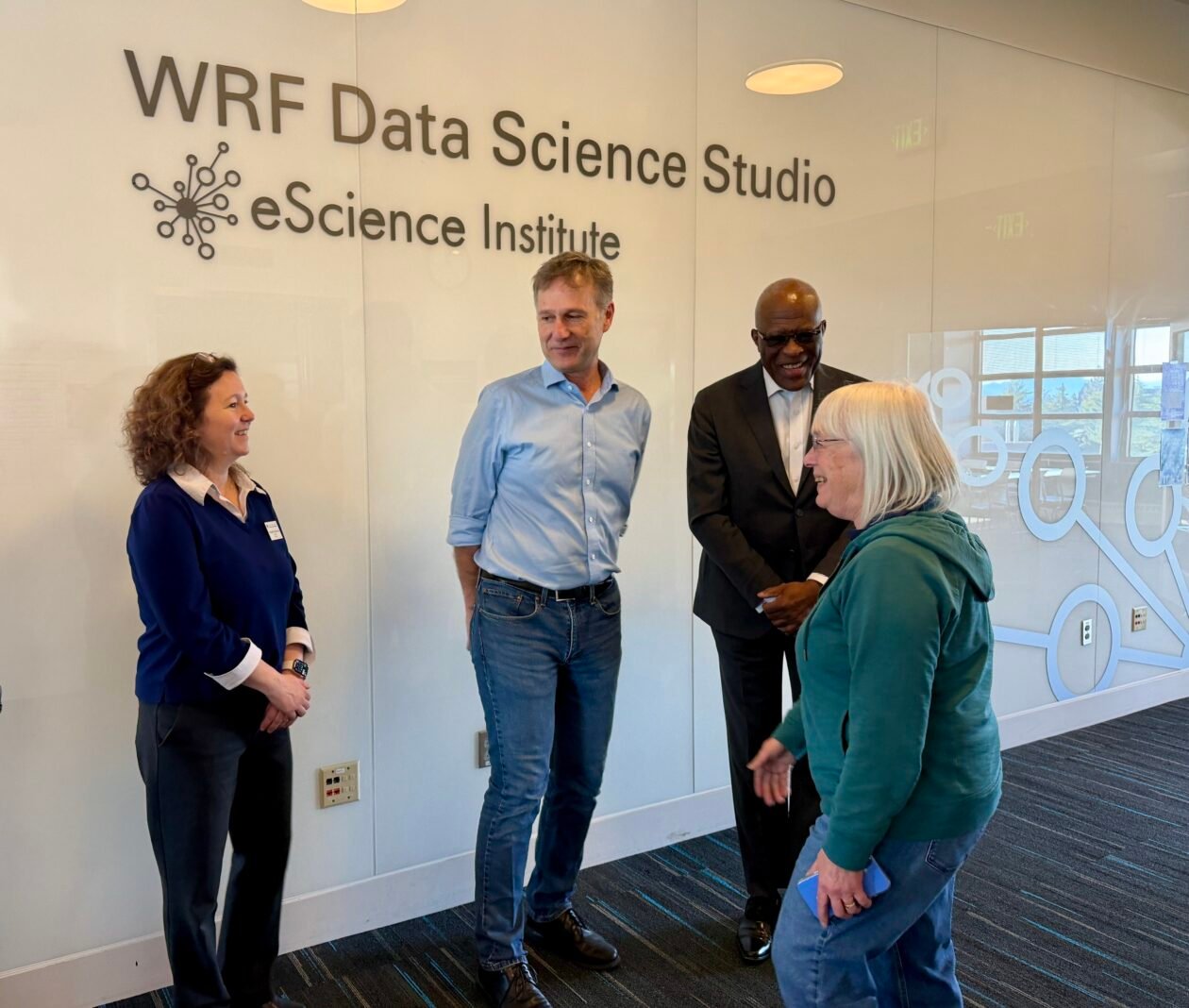
The University of Washington (UW) is expanding its infrastructure for artificial intelligence (AI) research through a federal funding package totaling $10 million. The funding arrives at a time when AI development is significantly shaped by private capital and corporate initiatives. U.S. Senator Patty Murray highlighted the importance of public investment to ensure that AI benefits are widely distributed and not limited to the shareholders and executives of wealthier tech firms. This infusion of federal dollars is expected to support UW’s ongoing and new research initiatives, facility upgrades, and collaborations that align with national priorities for responsible AI development, workforce readiness, and ethical governance.
The broader context includes a national push to balance rapid AI advancement with considerations about safety, accountability, transparency, and equitable access. By channeling funds through a major public university, policymakers aim to cultivate an ecosystem where academia, government, and industry can work together to steer AI technology toward public-interest outcomes. UW’s expanded infrastructure will likely involve upgraded laboratories, data-processing capabilities, advanced computing resources, and programs designed to train the next generation of AI researchers and practitioners, including students and practicing professionals. The investment underscores a strategic approach to ensure research excellence while addressing potential risks and societal implications associated with AI technologies.
In-Depth Analysis
The $10 million federal funding package directed toward the University of Washington represents a targeted investment in the university’s AI research ecosystem. The funds are anticipated to support a combination of capital expenditures and programmatic activities designed to enhance research capacity, collaboration, and education. While the article emphasizes the role of public support in balancing AI development driven by private capital, it is important to dissect the likely components and implications of such an investment.
1) Infrastructure Upgrades and Capacity Building
A substantial portion of the funding is expected to be allocated toward upgrading physical and computing infrastructure. This may include the expansion of high-performance computing (HPC) facilities, cloud-computing capabilities, data storage solutions, and secure research environments. Upgraded laboratories and dedicated AI compute clusters would enable researchers to train and evaluate larger, more complex models, accelerate experimentation cycles, and support multidisciplinary projects spanning machine learning, robotics, natural language processing, and data science.
2) Research and Development Programs
The funds will likely fund targeted research programs that align with national priorities, including AI safety, ethics, and governance, as well as open-science initiatives. Such programs could foster collaborations across departments and with external partners, including other universities, national laboratories, and industry consortia. Emphasizing rigorous evaluation, reproducibility, and proper documentation will help ensure that results are robust and transferable beyond a single project or lab.
3) Workforce Development and Education
Public investment in AI research often prioritizes training and pipeline development. UW may implement graduate fellowships, postdoctoral opportunities, and undergraduate research experiences designed to broaden participation in AI fields and prepare students for a labor market that increasingly relies on advanced computational tools. Partnerships with community colleges and local industry could help align curricula with real-world needs, promoting inclusive access to AI education and the creation of a more diverse AI workforce.
4) Governance, Ethics, and Responsible AI
Given the social implications of AI, the funding is expected to support work on governance frameworks, ethical guidelines, and bias mitigation. This may involve developing evaluation metrics for fairness and accountability, creating transparent model reporting practices, and studying the societal impacts of AI deployments. Such activities help embed responsible practices into research from the outset rather than as afterthoughts.
5) Security and Privacy
As AI research touches sensitive data and potentially critical applications, the infrastructure expansion would likely incorporate robust security measures and privacy-preserving techniques. This could include secure data enclaves, access controls, and privacy-preserving machine learning methods, ensuring that research adheres to regulatory standards and ethical norms.
6) Public-Private and Academic Partnerships
The federal funding signals support for sustained collaboration among academia, government, and industry. UW’s expanded capabilities may enable more joint projects, data-sharing arrangements, and pilot studies that test AI technologies in real-world contexts while maintaining academic independence and rigorous peer review. Such collaborations can accelerate innovation while keeping public interest at the forefront.
7) Oversight, Transparency, and Accountability
With public funds come responsibilities. Transparent reporting on how funds are used, the milestones achieved, and outcomes realized will be essential. Independent assessments and open dissemination of findings help maintain trust among stakeholders, including taxpayers, policymakers, and the broader research community.
The overarching aim of the investment is to create a more balanced AI ecosystem—one where public institutions actively participate in shaping research directions and ensuring that the benefits of AI are broadly shared. Senator Murray’s comments underscore a concern that if AI development is dominated exclusively by private entities focused on profitability, the wider societal advantages may be limited. By funding university-scale research, lawmakers hope to foster innovation that is both technically advanced and aligned with public values, including accessibility, safety, and fairness.
It is also important to consider potential challenges. Public funding processes can be slower and subject to bureaucratic oversight, which may affect the speed of research progress. There is a need for clear performance metrics and milestones to demonstrate accountability and impact. Additionally, sustaining momentum beyond the initial funding cycle will require ongoing investment, diversified funding streams, and strong collaborations, ensuring that UW can retain top researchers and maintain cutting-edge capabilities.
The geographic and institutional context matters as well. The Pacific Northwest, with institutions like UW, plays a critical role in U.S. AI research ecosystems. Strengthening UW’s AI infrastructure could have ripple effects—attracting talent to the region, enabling local startups and industry partners to access university resources, and contributing to regional economic growth. Moreover, the collaboration potential with national laboratories and federal agencies may be enhanced, enabling large-scale projects that require substantial computing power and cross-disciplinary expertise.
From a policy perspective, the funding aligns with a broader strategy to diversify AI research leadership and ensure that public research institutions contribute to national priorities. It also emphasizes risk management and governance that can help guide safe deployment of AI technologies, an area that policymakers and researchers alike view as increasingly essential as AI applications proliferate in education, healthcare, transportation, and public services.

*圖片來源:Unsplash*
In sum, the University of Washington’s expansion of AI research infrastructure with $10 million in federal funding represents a strategic effort to strengthen public-sector capacity in AI, promote inclusive innovation, and address the societal implications of rapid AI advancement. By investing in infrastructure, research programs, workforce development, and governance mechanisms, UW aims to produce rigorous, impactful AI research that benefits a broad segment of society while balancing private-sector leadership with public accountability and ethical considerations.
Perspectives and Impact
Experts and observers note that public investment in AI research serves several strategic purposes. First, it helps democratize access to AI tools and expertise. When universities like UW expand capabilities with federal funding, graduate students, faculty researchers, and local industry partners gain access to high-quality resources that would be prohibitively expensive otherwise. This democratization can accelerate education and skill development across the region and beyond, helping bridge gaps between academia and industry.
Second, federal funding can set standards for responsible AI research. By attaching oversight mechanisms and accountability expectations, government-supported projects may prioritize safety assessments, reproducibility, and transparency—areas that are often less emphasized in fast-moving private-sector initiatives. Public funding can thereby help establish benchmarks that other researchers and organizations can follow, contributing to a more coherent national AI research agenda.
Third, such investments can stimulate workforce development and economic growth. As UW expands its AI-related offerings, students and researchers are better prepared for the demands of an AI-driven economy. This, in turn, can attract talent to the region, support local startups, and foster collaborations that translate research into practical applications with positive social impact.
However, there are also potential concerns and considerations. Public funding cycles can introduce planning and procurement timelines that differ from private-market rhythms. To maximize impact, administrators must implement clear performance metrics, transparent reporting, and robust governance arrangements to ensure funds are used effectively and equitably. Moreover, maintaining long-term viability requires a plan for sustaining facilities and programs beyond the initial grant period, including diversified funding sources such as state support, philanthropic contributions, and industry partnerships that align with public-interest outcomes.
The broader implications for national AI policy hinge on how well universities balance exploratory research with applied projects, and how they manage the tension between open collaboration and proprietary considerations when partnerships include industry participants. The UW initiative could serve as a model for similar investments in other regions, potentially creating a network of public-university labs that collectively advance AI technologies while prioritizing safety, accountability, and social benefit.
In a landscape where large portions of AI development are funded or led by private capital, federal and state investments in universities can function as critical counterweights. They provide alternate pathways for innovation that emphasize ethics, governance, and accessibility, ensuring that AI technologies serve a wider public good. The success of UW’s funded expansion will depend on transparent execution, measurable outcomes, and sustained collaboration across sectors and disciplines.
Key Takeaways
Main Points:
– A $10 million federal investment supports UW’s AI research infrastructure and programs.
– The funding seeks to balance private-sector-driven AI development with public-interest oversight and benefits.
– Outcomes likely include enhanced computing capacity, workforce development, and governance-focused research.
Areas of Concern:
– Ensuring transparent use of funds and measurable impact.
– Maintaining long-term viability beyond the initial grant period.
– Aligning public research with industry collaborations while safeguarding independence and ethics.
Summary and Recommendations
The University of Washington’s expansion of AI research infrastructure through a $10 million federal funding package represents a purposeful effort to strengthen publicly guided AI research. By upgrading computing resources, expanding research programs, and prioritizing workforce development and responsible AI practices, UW positions itself to contribute significantly to the national AI ecosystem. This investment not only accelerates scientific discovery but also helps ensure that AI advances are aligned with public values, safety considerations, and broad access to benefits.
To maximize impact, UW should prioritize transparent budgeting and milestone reporting, establish clear metrics for evaluating research quality and societal relevance, and cultivate sustained partnerships that extend beyond the funding period. Emphasizing open science where appropriate, while balancing collaboration with industry, can help maintain credibility and reproducibility. Ongoing engagement with policymakers, educators, and community stakeholders will be essential to align research agendas with public expectations and labor-market needs.
In the longer term, the success of this initiative will depend on continued federal and state support, diversified funding streams, and a sustained focus on governance, ethics, and safety in AI research. If executed effectively, the UW investment could model a responsible, inclusive approach to advancing AI—one that balances innovation with accountability and broad societal benefit.
References
- Original: https://www.geekwire.com/2026/ai-research-boost-university-of-washington-expands-infrastructure-with-10m-in-federal-funding/
- Additional references:
- National AI Initiative: Oversight, governance, and public-benefit considerations in AI research
- University research funding best practices: Transparency, accountability, and impact assessment guidelines

*圖片來源:Unsplash*