TLDR
• Core Points: A Virtual Boy app has landed on Nintendo Switch and Switch 2, accessible to Nintendo Switch Online + Expansion Pack members, with an additional requirement for the Virtual Boy add-on accessory (or a cardboard substitute) to experience the feature.
• Main Content: The app is a free download for eligible Switch owners, but playback hinges on owning a compatible add-on accessory or a lower-cost cardboard alternative, reflecting Nintendo’s effort to revive classic experiences within its hybrid console ecosystem while leveraging its existing subscription model.
• Key Insights: Access controls link a nostalgic launcher to a hardware-adjacent accessory, reinforcing the importance of ecosystem partnerships in reviving legacy software on modern systems.
• Considerations: Availability is tied to membership and compatible hardware; potential durability and display comfort concerns are worth noting for prolonged use.
• Recommended Actions: Switch and Switch 2 owners should verify their expansion-pack membership status and acquire the official add-on or an approved cardboard alternative if they wish to try the Virtual Boy experience.
Content Overview
The revival of classic gaming experiences continues to unfold on Nintendo’s hybrid platforms. The latest development involves the Virtual Boy, Nintendo’s infamous 1990s monochrome console, making a reappearance as a free app on both Nintendo Switch and the newer Switch 2. The revival, however, is not purely software-based. While the app itself is freely downloadable for those with an active Nintendo Switch Online + Expansion Pack membership, players must also obtain a Virtual Boy add-on accessory to actually play the title. A more affordable cardboard alternative exists for those who prefer a lower-cost option. The accessory functions as a modern compatibility bridge, essentially replicating a specific aspect of the original hardware to enable the classic Virtual Boy experience on contemporary hardware. The combination of a subscription requirement and a hardware accessory constraint underscores Nintendo’s approach to reviving retro experiences while maintaining a controlled and monetized ecosystem.
This arrangement aligns with broader industry trends where retro and classic titles are selectively reintroduced through modern platforms, leveraging subscription services and accessory ecosystems to manage access, simulate original hardware experiences, and monetize nostalgia without fully reconstructing the original hardware. In the context of Nintendo’s strategy, the move highlights how the company balances preservation with practicality, ensuring compatibility with its current hardware lineup while encouraging players to engage with its ongoing online services.
This article examines the Virtual Boy app’s availability, the accessory requirement, potential user implications, and what this means for fans of retro gaming and the broader strategy of platform-based nostalgia curation.
In-Depth Analysis
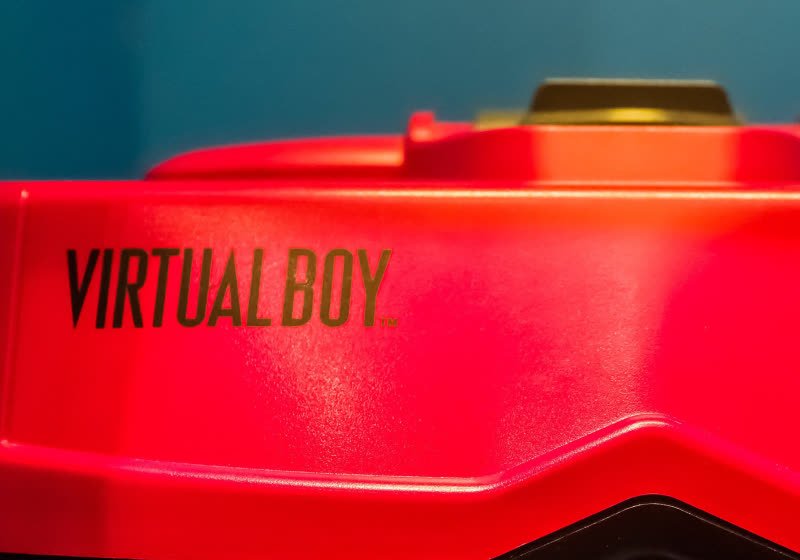
The newly released Virtual Boy app on Nintendo Switch and Switch 2 represents a cautious, ecosystem-aware revival of a hardware-era misstep. The Virtual Boy, released by Nintendo in 1995, is widely remembered for its distinctive red-on-black display and limited software library. Unlike many retro releases that simply emulate software on modern systems, this approach relies on a tangible accessory to steer the user experience toward the original hardware’s distinctive presentation.
Key to access is an active Nintendo Switch Online + Expansion Pack membership. This aligns with Nintendo’s strategy of gating nostalgia-driven experiences behind its premium subscription tier, encouraging players to join or maintain the service for access to curated content, cloud saves, and family-friendly multiplayer features. Such a model helps monetize retro titles while offering a curated, controlled environment to minimize potential quality-of-life issues that can arise from emulation or misaligned display technologies.
In addition to the software download, players must obtain the Virtual Boy add-on accessory. The accessory serves as a bridge to deliver a hardware-accurate interaction model or a faithful representation required by the app for proper functionality. There’s also mention of a cheaper cardboard alternative, catering to budget-conscious users who still want to partake in the experience. This dual-option strategy mirrors broader industry practices where companies offer official hardware augmentations alongside lower-cost third-party or DIY alternatives to broaden access, while still preserving product integrity and user experience.
From a practical perspective, the reliance on a physical add-on—whether official or cardboard—raises questions about long-term durability, ease of setup, and comfort during extended play sessions. The original Virtual Boy’s design emphasized a stereoscopic experience, which, on modern displays and in a handheld context, might present specific ergonomic considerations. Players who are accustomed to modern VR or handheld experiences may need to adjust to the unique optics and display characteristics that the Virtual Boy experience historically demanded.
The announcement also touches on the broader strategy of how Nintendo preserves legacy software. Rather than fully reimplementing the Virtual Boy’s gaming library, the company chooses to package a minimal, faithful reproduction within the Switch ecosystem, anchored to a particular hardware accessory. This approach prioritizes authenticity, reduces the risk of technical issues that can accompany emulation, and aligns with the company’s cautious stance toward reviving niche experiences that carry historical baggage or safety concerns (such as the headset’s potential risk of eye strain in prolonged usage).
For users, the steps to experience the Virtual Boy app are straightforward, though not entirely streamlined: ensure you have an active Nintendo Switch Online + Expansion Pack membership, download the app from the Switch eShop, and obtain the Virtual Boy add-on or cardboard alternative. Once connected, players should be able to engage with the experience as designed, provided the hardware accessory is properly configured. The experience’s quality and performance may depend on the specific hardware and the display method used by the accessory, as well as any software updates or patches that Nintendo may roll out to optimize compatibility or address user feedback.
This strategy’s implications extend beyond this single title. It signals Nintendo’s willingness to recalibrate how nostalgia-driven experiences are delivered, balancing modern convenience with faithful presentation. It also raises considerations about accessibility and inclusivity—particularly for players who do not own a Switch Online + Expansion Pack or who are unable to procure the accessory. In such cases, the app would remain inaccessible, preserving the controlled access model that Nintendo has embraced for this release.
From a technical standpoint, the use of a specialized accessory could influence the app’s performance, input latency, and display alignment. If the accessory replicates a specific control scheme or visual experience, ensuring precise synchronization between software intent and hardware input becomes critical. Any mismatch could detract from the intended experience, which for a title like Virtual Boy, is strongly tied to its original hardware presentation.

*圖片來源:Unsplash*
Finally, this release invites speculation about future retro revivals on Nintendo platforms. If the Virtual Boy can be revived under these constraints, other controversial or niche hardware from the past might follow a similar path—provided there is a compatible accessory strategy and a viable audience willing to pay for premium access. The interplay between software downloads, subscription-based access, and hardware augmentation could set a template for future nostalgia-driven releases, allowing Nintendo to curate a library of legacy experiences in a controlled and monetizable fashion.
Perspectives and Impact
For fans: The Virtual Boy app offers a doorway back to a unique piece of gaming history, delivered within the Switch ecosystem. The need for an add-on or cardboard substitute means the experience will be more authentic but also more involved than typical mobile or handheld downloads. This trade-off respects the original hardware’s quirks while leveraging modern conveniences like digital distribution and subscription services.
For collectors and enthusiasts: The requirement of a specific accessory adds a tangible layer to the revival, which may attract collectors who value preserving official hardware peripherals. At the same time, the cardboard alternative lowers the barrier for casual curiosity, enabling broader experimentation among fans who are curious but not ready to invest in dedicated hardware.
For the industry: Nintendo’s approach exemplifies a growing trend of nostalgia monetization that relies on a combination of official hardware accessories, digital distribution, and tiered subscription models. This strategy can foster sustained engagement with legacy titles while maintaining product safety standards and controlling user experience.
For accessibility and user experience: The added accessory step may present an obstacle for some players, particularly those with accessibility needs or those who prefer frictionless experiences. Nintendo will need to balance authenticity with inclusivity, potentially offering streamlined onboarding, better documentation, and more flexible options in future releases.
For developers and peripheral makers: There is an opportunity to explore compatible accessories that replicate classic hardware interactions while keeping a clean user experience. This may spur partnerships, third-party peripheral development, and potential standardization for similar retro revivals.
Long-term implications: If successful, this model could influence how other legacy consoles are revived on modern platforms. The combination of a subscription-backed entry point and an accessory-based playing method could become a recognizable pattern in the retro revival space, potentially encouraging more cautious, quality-driven releases that prioritize accurate experiences over feature-rich emulation.
Key Takeaways
Main Points:
– A Virtual Boy app is now available on Nintendo Switch and Switch 2 as a free download for owners with Nintendo Switch Online + Expansion Pack membership.
– Playback requires a Virtual Boy add-on accessory or a cheaper cardboard alternative.
– The release reflects Nintendo’s strategy of reviving legacy titles through a controlled ecosystem combining digital access, subscription services, and hardware peripherals.
Areas of Concern:
– Access is contingent on membership and the acquisition of a specific accessory, which could limit reach for non-subscribers.
– Dependence on an external accessory may affect durability, comfort, and long-term usability.
– The authentic experience hinges on the accessory’s fidelity to the original hardware, which may vary with official vs. cardboard options.
Summary and Recommendations
The Virtual Boy app on Switch represents a measured approach to nostalgia, balancing the allure of reviving a controversial piece of gaming history with the realities of modern platform governance. By tying access to Nintendo Switch Online + Expansion Pack membership and requiring a dedicated add-on accessory (or an affordable cardboard substitute), Nintendo ensures a controlled, quality-assured experience that preserves brand integrity while exploring monetization opportunities around legacy content.
For enthusiasts, the opportunity to revisit the Virtual Boy on contemporary hardware is tempered by practical considerations: you must confirm your membership status, locate the official add-on or a compatible cardboard alternative, and anticipate the ergonomic realities of post-pioneering display technology. Those who are curious about retro hardware and the cultural history surrounding Virtual Boy will likely find the experience worthwhile, particularly if they value an authentic interaction model closely aligned with the original device.
Looking ahead, this release could signal further retro initiatives within Nintendo’s ecosystem, leveraging a blend of digital downloads, subscription access, and accessory-based play modes. If the model proves financially viable and players respond positively to the experience, we could see additional classic consoles or obscure hardware revived under similar constraints—carefully curated, monetized nostalgia that respects both historical significance and user expectations.
In practice, potential users should:
– Verify their Nintendo Switch Online + Expansion Pack membership status to ensure eligibility for the app.
– Decide whether to obtain the official Virtual Boy add-on accessory or opt for a cardboard alternative based on comfort, budget, and aesthetic preferences.
– Prepare for a hardware-associated setup process, and consider potential ergonomic factors for longer play sessions.
– Track official communications for any updates, patches, or alternative access methods that may broaden compatibility or simplify the experience in the future.
If Nintendo continues to iterate on this model, the interplay between software availability, subscription ecosystems, and physical accessories could shape how retro gaming is experienced by new and returning players alike.
References
- Original: https://www.techspot.com/news/111357-virtual-boy-app-now-available-switch-but-youll.html
- Additional context (to be added by editor, based on related coverage of retro revivals and Nintendo’s accessory strategy):
1. Nintendo official announcements and support pages on Switch Online + Expansion Pack content.
2. Analysis of retro revival strategies in modern gaming platforms.
3. Historical background on the Virtual Boy hardware and its legacy.

*圖片來源:Unsplash*