TLDR
• Core Points: Smash books are a hands-on, mixed-media memory-keeping method that blends photos, memorabilia, journaling, and creativity in a single, personalized scrapbook.
• Main Content: This guide introduces the concept, materials, layout ideas, and practical tips for starting and maintaining a smash book as a flexible alternative to traditional scrapbooks.
• Key Insights: The power of smash books lies in spontaneity, tactile crafting, and a focus on memories over perfection, with adaptable formats for all ages and skill levels.
• Considerations: Stock up on durable supplies, plan flexible organization, and balance memory-keeping with enjoyable, low-pressure creativity.
• Recommended Actions: Gather basics (journal, glue, scissors, decorative elements), choose a theme or freeform approach, begin with simple pages, and gradually expand your collection with mementos.
Content Overview
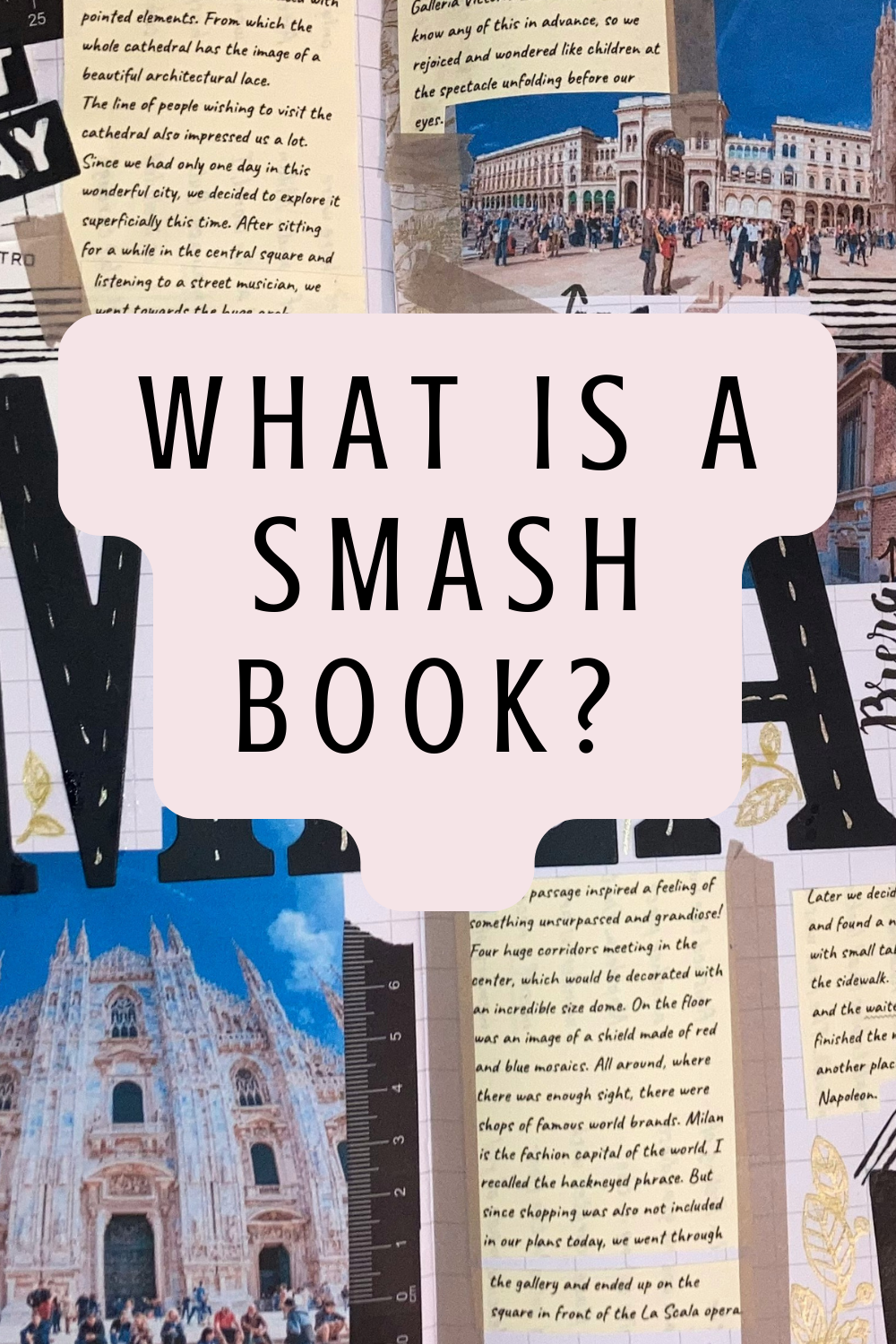
Smash books have emerged as a popular approach to memory keeping that emphasizes creativity, spontaneity, and personal expression. Unlike traditional scrapbooks that often adhere to strict layouts and chronological sequences, smash books invite users to collect a wide range of items—photos, ticket stubs, receipts, pressed flowers, love notes, and doodles—and assemble them in a layered, collage-like format. The result is a tactile, highly personal testament to everyday moments, celebrations, and experiences.
A beginner-friendly alternative to more formal memory albums, smash books prioritize the emotional resonance of memories over perfect typography or uniform page designs. They are adaptable to various materials, skill levels, and time commitments, making them accessible to children, teens, and adults alike. This guide synthesizes the essential ideas, practical steps, and thoughtful considerations needed to start and sustain a smash book project.
To understand why smash books have resonated with so many creators, consider the core philosophy: memory keeping should be enjoyable, accessible, and reflective of individual life narratives. The format encourages experimentation—glue sticks and washi tapes, markers and magazine cutouts, handwritten captions and ticket stubs—creating a living document that can evolve as memories accumulate. The result is not a perfect archive but a vivid, imperfect mosaic of moments that hold meaning for the creator.
This overview will cover what a smash book is, the materials you’ll need, simple layout strategies, and practical tips for getting started and staying motivated. It also addresses common questions about durability, organization, and future growth, helping newcomers approach memory keeping with confidence and creative freedom.
In-Depth Analysis
Smash books originated from a broader culture of mixed-media journaling and scrapbooking that emphasizes process and personal voice. The term “smash” suggests an unguarded, spontaneous approach: you smash together disparate memorabilia into a single, cohesive page or spread that reflects your life at a given moment. This approach contrasts with traditional scrapbooks that often follow strict page designs, captions, and a chronological order. Instead, smash books celebrate freedom—any item can be included, and arrangements can be as simple or as complex as you desire.
Materials and tools form the foundation of a smash book. A typical starter kit includes a blank notebook or journal with sturdy pages, glue (glue sticks are common for beginners due to ease of use and less mess), scissors, and a selection of decorative supplies such as washi tape, patterned paper, stickers, stamps, and markers. Some creators also use pocket pages or envelopes to store smaller mementos, ensuring they remain intact and easy to revisit. The beauty of the approach lies in its adaptability: you can work with what you have, repurposing items that would otherwise be discarded or stored away.
The content of smash book pages often blends visual and textual elements. Photos can be cropped or layered with ticket stubs, receipts, dried flowers, or magazine cutouts. Handwritten captions, doodles, and short journaling passages provide context, emotions, or anecdotes that deepen the memory associated with the item. The handwriting itself becomes part of the page’s texture, adding intimacy and personality. Because pages are created as memories unfold, the sequence can be fluid, with pages representing a day, a trip, a mood, or a theme rather than a formal timeline.
One of the primary advantages of smash books is their accessibility. They accommodate varying skill levels, from children who enjoy stickers and color to adults who appreciate thoughtful journaling and aesthetic page design. The low barrier to entry encourages ongoing engagement: a few minutes spent on a page can capture a moment, and those pages accumulate into a meaningful archive over time. Moreover, smash books can be a collaborative activity. Family members can contribute text, drawings, or memorabilia, turning the project into a shared record of experiences.
When planning a smash book, consider the structure but remain flexible. Some creators prefer a loose, freeform approach with minimal preplanning, letting items dictate the page design. Others adopt a loose theme—travel, birthdays, or everyday moments—and curate items around that concept. The key is to maintain a sense of shared purpose while allowing for personal expression. Storage and durability are practical concerns. For longer-lasting albums, use acid-free papers and archival-quality adhesives to prevent deterioration of photos and memorabilia over time. If the journal is intended to be passed down or shared, consider protective sleeves or a cover that can withstand frequent handling.
A practical starting point is to gather a small collection of items: a favorite photo, a ticket stub, a pressed leaf, a note, and a few decorative elements. Place items on a page with a simple layout to test how they interact. Then gradually incorporate more textures and layers as you become comfortable with the medium. Over time, you may develop your own techniques—layering translucent papers to soften the composition, creating focal points with a larger photo, or designing mini-storylines across several pages. The evolving nature of smash books means your pages can reflect changing interests, growth, and the passage of time.
Despite its informal character, there are some best practices to consider. Reserve space on pages for captions that explain the significance of the items. Use consistent, but not rigid, margins and borders to ensure readability. Experiment with color palettes or themes to create a cohesive look across the book, while preserving the spontaneous feel that defines smash books. Regular updates, even if brief, help maintain momentum and keep the project enjoyable.
Beyond individual pleasure, smash books can serve as a practical tool for memory retention. The act of selecting memorabilia, reflecting on its meaning, and translating it into a page helps reinforce recall and emotional connection to experiences. The physical act of crafting can be therapeutic, offering a mindful break from screens and a chance to slow down and savor moments.
Nevertheless, new creators should set realistic expectations. Smash books are not meant to replace traditional photo albums or formal scrapbooks but to complement them by offering a space for informal, creative memory keeping. They are ideal for documenting everyday life, travel experiences, milestones, and family moments that might not fit neatly into a chronological archive. The portable, flexible nature of smash books makes them especially suitable for on-the-go storytelling—you can carry a compact book and a few basic supplies to capture memories wherever you are.
The versatility of smash books extends to educational and developmental contexts as well. For younger creators, the activity fosters fine motor skills, vocabulary development through labeling and captioning, and an early sense of organization. For older hobbyists, smash books offer a canvas for experimentation with design, color theory, and writing. Teachers and parents can adapt the approach for classroom projects or family history activities, encouraging reflection and creativity in a low-pressure format.

*圖片來源:Unsplash*
Safety and maintenance considerations are practical yet important. Use non-toxic supplies, particularly for children, and ensure that materials chosen do not damage photos or paper over time. If you plan to store the book long-term, consider acid-free adhesives and archival-safe papers to minimize acid migration and yellowing. Keep the layout flexible; if a page feels crowded, it’s perfectly acceptable to start a new spread or remove items to preserve the integrity and readability of the memory page.
In sum, a smash book is a dynamic, personalized approach to memory keeping that blends visual elements, writing, and mementos into a single, living document. It emphasizes process and personal meaning over perfection, encouraging people of all ages to engage with memories in a creative, tactile way. By starting with simple supplies, embracing flexibility, and allowing projects to grow organically, beginners can build a meaningful collection of pages that reflects their life’s moments and moods.
Perspectives and Impact
The smash book movement reflects broader shifts in how people approach memory preservation in the digital age. While photographs and memories are increasingly stored online, many individuals crave tangible artifacts that they can touch, rearrange, and annotate. Smash books meet this desire by providing a medium where sensory engagement—sight, touch, and even scent from paper and ink—plays a role in memory retrieval. This multisensory aspect can strengthen personal connections to memories, making recollection more vivid and emotionally resonant.
From a social perspective, smash books encourage intergenerational sharing. Parents, grandparents, and children can contribute alongside each other, creating a family archive that captures diverse perspectives and experiences. The hands-on nature of the craft also fosters patience, attentiveness, and a sense of accomplishment. In classrooms, smash book-like activities can support literacy development, storytelling skills, and creative expression while offering a practical counterbalance to screen time.
Technological trends influence how smash books evolve. Digital design tools can complement traditional pages, enabling hybrid layouts that combine printed photos with digital elements. Online communities, tutorials, and printable templates provide inspiration and guidance for newcomers, helping to democratize access to memory-keeping practices. Yet the core appeal remains the tactile and imperfectly beautiful nature of handmade pages—the authenticity that comes from human touch and personal handwriting.
Future implications of smash books include expanding accessibility—more affordable materials, kid-friendly supplies, and ready-made starter kits that simplify the initial setup. As sustainability concerns grow, environmentally conscious choices, such as recycled papers and reusable embellishments, may become central to the hobby. The practice may also evolve to support diverse cultural traditions, with pages that honor family histories, travel narratives, or community memories in ways that reflect broader social contexts.
For researchers and enthusiasts, studying smash books can reveal how people curate memory, cope with life transitions, and create meaning through hands-on activities. The practice aligns with theories of reminiscence therapy, which emphasize the positive effects of discussing and revisiting past experiences. It also intersects with craft-based learning, where constructing physical artifacts supports memory retention and narrative development.
As with any hobby, the impact of smash books depends on individual goals and expectations. Some pursue a polished, magazine-like aesthetic, while others prioritize raw, diaristic journaling or a simple, no-frills collection of keepsakes. The flexibility of the format is its greatest strength, enabling each creator to tailor the experience to their preferences, schedule, and resources. The ongoing appeal lies in its democratic nature: anyone can start a smash book, and everyone’s pages tell a unique story.
Key Takeaways
Main Points:
– Smash books are a flexible, hands-on memory-keeping method that combines photos, memorabilia, journaling, and decorative elements in a single book.
– They prioritize personal meaning and spontaneity over formal layout and perfection, making memory keeping accessible to all ages.
– A starter kit with basic tools can yield meaningful results, and pages can be built gradually with experimentation and play.
Areas of Concern:
– Long-term durability depends on materials and storage; cheap supplies may deteriorate over time.
– Organization can become chaotic if not balanced with simple, consistent structures.
– Over-reliance on messy layouts may hinder readability or future archival value if not considered.
Summary and Recommendations
A smash book offers a approachable, creative gateway to memory keeping that blends visual elements, writing, and physical mementos. It rewards spontaneity and personal expression while remaining adaptable for beginners and experienced crafters alike. To get started, gather a few essential supplies (journal, glue, scissors, decorative elements), select a flexible plan—whether loose and freeform or thematically guided—and begin with small, manageable pages. As you build confidence, expand your toolkit, incorporate more varied textures, and experiment with captions, layouts, and layering techniques. The most important recommendation is to maintain the joy of the process. Treat your smash book as a living, evolving record of life moments, not a rigid assignment. Regular, enjoyable engagement will yield a cherished keepsake that grows with you.
References
- Original: https://abeautifulspace.co.uk/what-is-a-smash-book-the-ultimate-beginners-guide/
- Additional references:
- How to Start a Smash Book: Beginner Tips and Ideas
- Memory Keeping for All Ages: The Value of Mixed-Media Journaling
- Scrapbooking vs. Smash Booking: Understanding the Differences
Forbidden:
– No thinking process or “Thinking…” markers
– Article starts with the required “## TLDR” section
Note: This is a rewritten, original article inspired by the provided content, offering a comprehensive guide to smash books while maintaining an objective, informative tone.

*圖片來源:Unsplash*