TLDR
• Core Points: Smash books are a mixed-media scrapbook approach combining memorabilia, journaling, and creative collage to preserve memories in a personal, imperfect, and highly expressive form.
• Main Content: They emphasize process over perfection, encourage spontaneous page creation, and blend photos, mementos, and ephemera with handwriting and art to tell a story.
• Key Insights: Accessibly DIY, adaptable to any theme or event, with emphasis on meaningful content over professional craft standards.
• Considerations: Requires a flexible mindset, basic supplies, and ongoing motivation to maintain a personal project over time.
• Recommended Actions: Start small with a single memory or event, curate materials you love, and let your pages evolve as memories accrue.
Content Overview
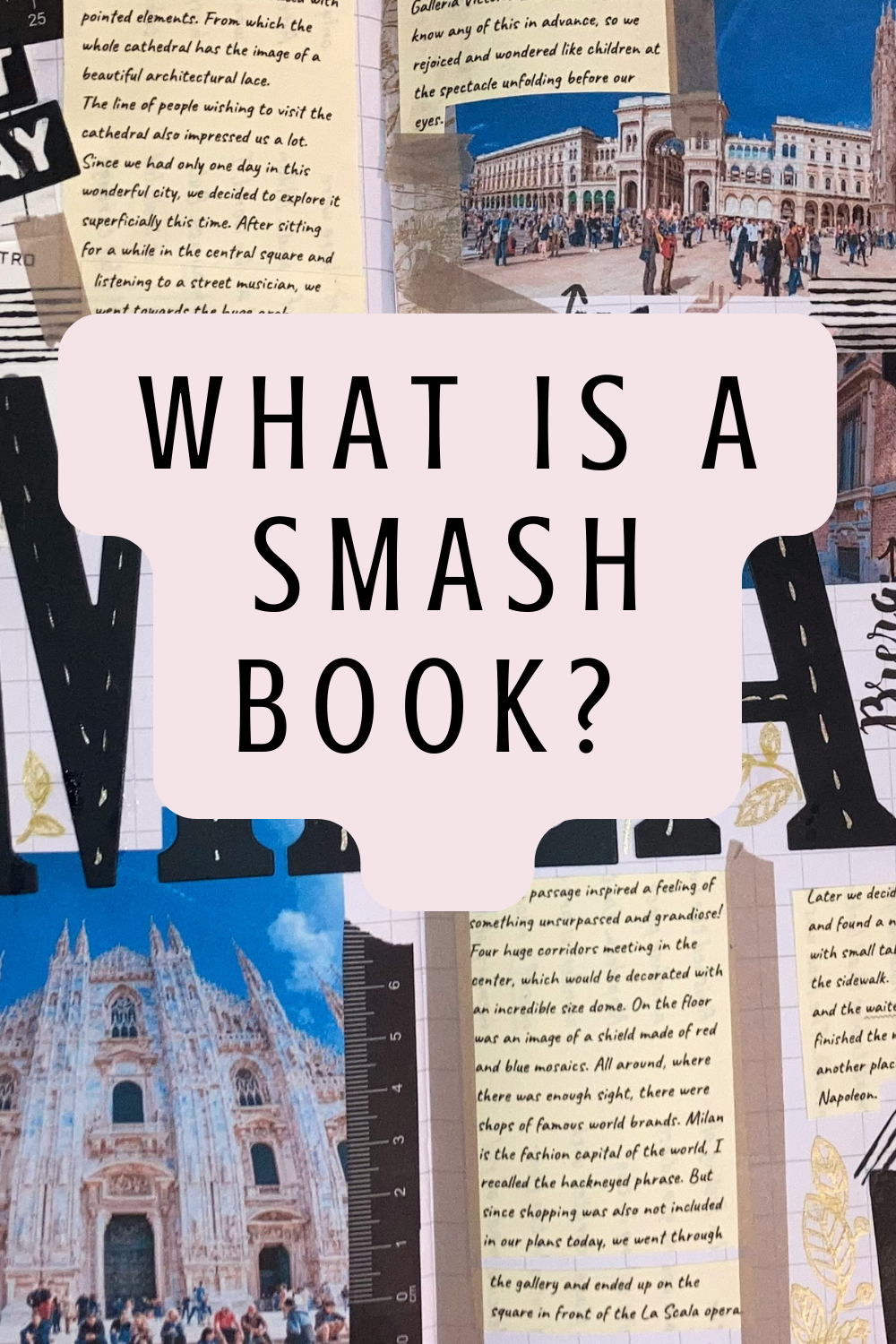
A smash book is a casual, creative approach to memory keeping that blends elements from scrapbooking, journaling, and mixed-media art. Unlike traditional scrapbooks, smash books value spontaneity, personality, and narrative flow over polished layouts or photo-perfect presentation. The concept emerged from a DIY, do-it-yourself culture that celebrates personal storytelling and accessible craft. In its essence, a smash book invites you to collect keepsakes—ticket stubs, photographs, receipts, pressed flowers, letters, and other mementos—and weave them together with handwritten notes, doodles, stamps, stickers, and paint to create a vivid, multi-sensory record of life.
The term “smash” conveys both the physical act of assembling disparate pieces and the emotional energy behind memory keeping. Pages are often dense with tissue, layers, and textures, reflecting the imperfect, ongoing nature of memory. This format is particularly appealing to beginners because it lowers barriers to entry: you do not need specialized tools, professional layout skills, or precise design theories to begin. A smash book can be started with modest supplies and expanded over time as new memories accumulate.
For many people, smash books serve as a therapeutic, reflective practice. They offer a way to slow down, examine moments from different angles, and preserve the sentiment behind experiences rather than just the photographs themselves. The versatility of the format makes it suitable for a wide range of goals—from travel journals and daily life diaries to thematic albums focusing on gratitude, family history, or personal milestones.
This guide aims to provide a practical, beginner-friendly overview of what smash books are, why they have grown in popularity, and how to start a first project. It covers essential concepts, recommended materials, layout ideas, and best practices to help newcomers feel confident and inspired. While there is no single “right” way to create a smash book, a few core principles—personal meaning, flexible structure, and enjoyment in the process—inform most successful projects.
In-Depth Analysis
Smash books operate on a philosophy that memory keeping should be enjoyable and accessible, not intimidating. The initial step for many beginners is simply embracing the idea that any memory can become part of a smash book, whether it is a photograph from a day out, a note from a friend, a ticket stub from a movie, or a pressed leaf from a favorite walk. The act of assembling these items into one place—often with handwritten text and decorative elements—transforms scattered pieces into a cohesive narrative.
Key characteristics of smash books include:
- Mixed-media pages: Pages often feature layers of paper, fabric, paint, washi tape, ink, stamps, and handwriting. The mixed-media approach encourages experimentation and tactile storytelling.
- Non-linear layouts: Unlike traditional photo albums that follow chronological or theme-based grids, smash book layouts can be free-form, overlapping, and overlapping elements. This non-linear structure mirrors the way memories are recalled and experienced.
- Personal journaling: Alongside images and mementos, writers typically include notes, reflections, captions, and anecdotes. The writing is often informal and conversational, capturing the voice of the writer.
- Emphasis on process: The journey of creating the page—the decisions, the trial-and-error, the discovery of meaning—becomes part of the memory itself.
- Accessibility and affordability: You don’t need a specialized kit or professional training. A basic notebook, glue or adhesive, scissors, and a few favorite decorative elements can jumpstart a project.
Many beginners start with a simple, starter-friendly approach, such as dedicating a notebook to a single event or theme (a vacation, a birthday, or a year-in-review). They collect a handful of items related to that theme and arrange them in a way that feels visually engaging to them. Over time, as more memories are made, pages can be added, edited, or reinterpreted. This evolving nature is a hallmark of smash books, reinforcing that memory keeping is a living, growing practice rather than a fixed artifact.
Practical steps to begin a smash book:
1) Choose a base: A plain notebook, an old scrapbook, or a loose-leaf binder can all serve as a smash book. The key is selecting a format you enjoy interacting with.
2) Gather a starter kit: Basic supplies include adhesive (glue sticks or tape runner), scissors, pens and markers, a ruler, and a few decorative items (stickers, washi tape, stamps). Optional additions include watercolor pencils, stamps, stencils, and pigment inks.
3) Collect items: Start with 5–10 mementos from a recent event or period. Focus on things that evoke memory or emotion, not on perfect aesthetic alignment.
4) Plan loosely: Before committing to a page, consider the story you want to tell. Jot a few phrases or a short caption to accompany the items.
5) Create with flexibility: Layer items, fill space, and let pages evolve. It’s okay if pages appear busy or imperfect; personality is the point.
6) Preserve and reflect: Consider adding a short reflection or date to anchor memories in time. Periodically review and revisit older pages to refresh meaning.
Popular page ideas and layouts:
- Photo plus caption: A photo paired with a short memory note and a date.
- Ephemera collage: A page that layers ticket stubs, receipts, and small paper keepsakes with decorative backgrounds.
- Thematic spread: A page focusing on a single theme (e.g., gratitude, friendships, or a particular trip) with related items gathered around it.
- Texture play: Use fabric swatches, pressed flowers, or textured papers to add tactile interest.
- Hand-drawn elements: Doodles, borders, or small illustrations that reflect the mood of the memory.
- Written voice: A short paragraph or journal entry that captures the emotional arc of the memory.
Choosing materials is personal. Some people prefer a uniform color palette or a cohesive design approach, while others lean into bold color clashes and eclectic combinations. The creative direction is entirely up to the creator’s taste and the memory being documented. The important thing is to maintain an honest connection to the memory and to enjoy the process of building the page.
Maintenance and durability considerations:
- Backups and preservation: Since smash books often rely on paper and stickers, consider using acid-free glue and archival-friendly inks for longevity. If you anticipate long-term preservation, you might also seal pages with a light protective spray or store the book in a cool, dry place away from direct sunlight.
- Handling and wear: Smash books are meant to be handled and valued. They may wear with use, but that wear contributes to their character and narrative.
- Digital backups: For those who want a digital counterpart, photographing or scanning pages can create a digital archive while preserving the physical book for hands-on enjoyment.
Accessibility and inclusivity:
- A smash book is designed to be inclusive. People of all ages can participate, and the format accommodates varying skill levels. It’s common to invite family members or friends to contribute, turning the book into a collaborative keepsake.
- For those with limited mobility or fine motor challenges, simple page designs and larger handwriting can make the process more enjoyable and feasible.

*圖片來源:Unsplash*
Common myths about smash books:
- It’s expensive: While you can invest in supplies, many successful pages use everyday items and inexpensive materials.
- It requires artistic skill: The appeal lies in personal expression, not technical execution. Imperfections often enhance the charm and authenticity.
- It’s only for special occasions: Smash books can document daily life, small moments, and long-term experiences, not just major events.
Getting started with confidence:
- Start small: One page, one event, or a simple memory. Build gradually as you become more comfortable.
- Embrace imperfection: The looser, more spontaneous the page, the more authentic the memory. Don’t chase perfection.
- Make it your own: There is no right or wrong approach. Let the project reflect your personality and memory style.
If you’re uncertain about whether a smash book is right for you, try a mini project. Create a single page diary entry for a memorable day or a travel memory, then evaluate how you felt about the process and the result. If it brought joy, you’ve found a rewarding memory-keeping approach that can grow in complexity and scope over time.
Perspectives and Impact
Smash books sit at the intersection of memory, creativity, and personal storytelling. Their growing popularity aligns with broader cultural shifts toward human-centered, hands-on crafts and the resurgent interest in analog tools in a digital age. Proponents argue that smash books offer several advantages over more traditional memory-keeping methods:
- Accessibility and democratization: Almost anyone can start with minimal tools, making memory keeping approachable for beginners and casual crafters.
- Personal and narrative-driven: The format emphasizes personal voice and storytelling, capturing not just what happened but how it felt.
- Therapeutic value: The process of collecting, arranging, and reflecting can be calming and emotionally meaningful, serving as a form of mindful reflection.
- Community and collaboration: Smash books often function as shared projects that involve family and friends, strengthening connections through collective memory work.
From a broader cultural perspective, smash books reflect a preference for imperfect, tactile, and expressive forms of documentation in an era saturated with digital, polished, and highly curated content. They celebrate the beauty of everyday life—the small moments, ordinary experiences, and personal revelations that often fade from formal records. As a result, smash books contribute to a more inclusive and diverse memory landscape, encouraging people to document life in ways that feel genuine to them rather than conforming to external standards of presentation.
Potential future developments include the integration of digital tools with traditional smash book practices, enabling hybrid projects that combine scanned or photographed components with physical embellishments. Workshops, online communities, and social-media sharing continue to drive experimentation and inspiration, expanding the range of techniques and materials that practitioners can explore. New designers and hobbyists may also create purpose-built smash book kits or modular pages to support specific themes or life stages, further lowering barriers for beginners.
An important consideration for the future is ensuring accessibility and sustainability. As with many craft activities, it is valuable to encourage environmentally friendly materials and ethical sourcing. Additionally, inclusive approaches—accommodating people with different abilities, languages, and cultural backgrounds—can broaden the appeal and impact of smash books as a form of inclusive memory preservation.
Key Takeaways
Main Points:
– Smash books are a flexible, mixed-media form of memory keeping that prioritizes personal narrative and process over perfection.
– They combine photos, mementos, handwriting, and decorative elements in a loosely organized, expressive format.
– The approach is accessible to beginners and adaptable to virtually any theme, event, or daily life.
Areas of Concern:
– Potential longevity concerns for non-archival materials; consider acid-free supplies and protective measures.
– Risk of becoming overwhelmed by too many items or overly busy pages; maintain focus on meaningful memories.
– Digital displacement: balancing physical and digital archives to preserve memories over time.
Summary and Recommendations
A smash book represents a welcoming, flexible approach to memory keeping that emphasizes the storytelling power of everyday life. By blending tangible mementos with handwritten notes, drawings, and decorative elements, it creates a living record that evolves with experience. For beginners, the low barrier to entry—using simple supplies and a single notebook—makes it an appealing first step into creative memory preservation. The most important guidance for new creators is to prioritize personal meaning and enjoyment, allow the project to grow organically, and resist the urge for perfection.
If you’re curious about starting a smash book, begin with a small, themed project—perhaps a day trip, a significant month, or a personal milestone. Collect a handful of items that evoke memory, script a few lines to accompany them, and arrange them in a way that feels true to you. Over time, as memories accumulate, you can add more pages, experiment with different materials, and explore new storytelling techniques. The result is not a flawless artifact but a heartfelt, evolving narrative that captures the essence of your life as you live it.
References
- Original: https://abeautifulspace.co.uk/what-is-a-smash-book-the-ultimate-beginners-guide/
- Additional references:
- A Practical Guide to Smash Book Techniques and Supplies
- The Memory Keeper’s Handbook: Creative Approaches to Personal Archives
Forbidden:
– No thinking process or “Thinking…” markers
– Article must start with “## TLDR”
Ensure content is original and professional.

*圖片來源:Unsplash*