TLDR
• Core Points: A smash book blends journaling, scrapbooking, and memory keeping into a flexible, creative record-keeping practice without strict rules.
• Main Content: It emphasizes personal expression, easy materials, and a DIY approach to capturing daily moments, notes, and mementos.
• Key Insights: Smash books prioritize process over perfection, accessibility over cost, and a sense of immediate, tangible memory preservation.
• Considerations: It suits many ages and skill levels but can require space, organization, and a loose structure to stay cohesive.
• Recommended Actions: Start small with a single notebook, gather simple supplies, and begin curating memories with a daily or weekly routine.
Content Overview
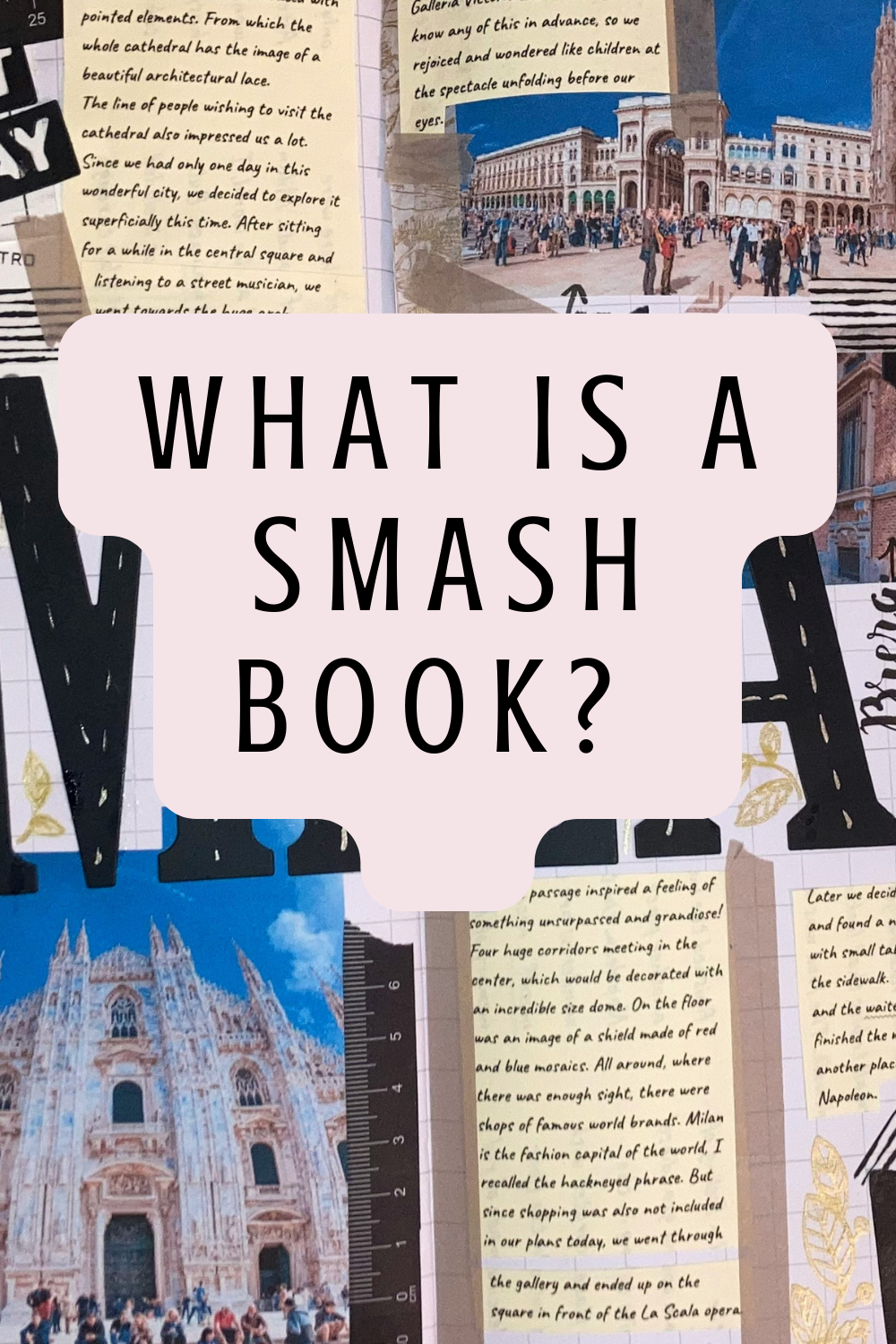
A smash book is a form of memory-keeping that invites you to capture life as it happens through a spontaneous, collage-like journal. Unlike traditional scrapbooks or diaries, smash books encourage a more fluid approach: you paste in photos, tickets, receipts, doodles, and handwritten notes in a way that reflects your personality and daily experiences. The concept emerges from a broader DIY culture that values creativity, accessibility, and personal storytelling over formal constraints.
At its core, a smash book is less about perfection and more about the act of preserving memories in a tactile, immersive format. Materials are often simple and inexpensive: a notebook or scrapbook, glue sticks or adhesives, scissors, washi tape, pens, and a variety of ephemera collected from everyday life. The process is flexible—pages can be layered, overlapped, or arranged in any order that makes sense to the creator. This flexibility makes smash books appealing to beginners who may feel intimidated by more traditional scrapbooking methods or by the commitment required for polished photo albums.
The appeal also lies in the emphasis on spontaneity. Pages can be completed in minutes or stretched over weeks, allowing for a low-pressure approach to memory keeping. Because the method integrates writing and art with personal artifacts, smash books become a living document of a person’s thoughts, experiences, and emotions at a particular time. They can cover a wide range of themes—from everyday moments and travel snippets to gratitude journals and goal trackers—depending on what resonates with the creator.
The term “smash book” itself can be interpreted as a metaphor for smashing together different forms of memory into one accessible keepsake. The DIY nature of smash books aligns with broader trends in creativity and journaling that prioritize personal meaning and immediacy over formal structure.
In-Depth Analysis
Smash books originated from a culture of adaptable, do-it-yourself memory keeping. This approach blends elements of traditional scrapbooking with artistic journaling, allowing creators to incorporate a mix of textual entries, images, textures, and found objects. Unlike highly planned scrapbooks that require precise page layouts and professional printing, smash books celebrate improvisation. The result is a journal that feels intimately personal, with each page reflecting a moment in time through a combination of mementos, handwriting, and decorative embellishments.
A successful smash book often starts with a basic toolkit: a notebook or journal (preferably with thick pages to handle glue and layered media), adhesive tools (glue sticks, double-sided tape, or glue dots), scissors, a selection of colorful pens or markers, and a supply of decorative items like washi tape, stickers, and ephemera. Ingredient lists are intentionally modest to keep the practice accessible; many creators repurpose everyday materials they already have, which lowers barriers to entry and encourages experimentation.
The process is inherently non-linear. Pages can be started in any order, revisited, or reworked as memories crystallize or as new items are added. This non-linear nature mirrors how memory itself works—associative and sometimes fragmented—yet when compiled, the book forms a cohesive narrative shaped by the creator’s perspective. For beginners, the flexibility is a major advantage: there is no need to plan every page in advance, and there is no “right” way to document a memory. The emphasis remains on capturing the essence of the moment rather than achieving a polished finished product.
Content scope within smash books varies widely. Some pages focus on daily life, capturing snippets such as grocery receipts, train tickets, or museum programs. Others highlight travel experiences, with postcard images, ticket stubs, and translated notes from brands or restaurants visited. Personal reflections—brief journaling entries, quotes, or captions—are commonly included to provide context and emotional resonance. The tactile experience is enhanced by layering techniques: overlapping photos with ephemera, adding paint or ink splashes, and using texture through fabric swatches or textured paper. These elements contribute to a multi-sensory memory archive that feels more like a personal diary than a traditional photo album.
Beyond personal journaling, smash books can also serve as a learning or planning tool. For instance, a smash book might document books read, goals set, or creative prompts attempted. The format scales to the creator’s interests: a smash book can be a gratitude journal, a project tracker, or a family memory keeper, among other possibilities. Because the practice is forgiving and inclusive, it accommodates a wide range of ages and skill levels, making it suitable for families, students, or individuals exploring creativity.
From a practical standpoint, organizers and beginners should consider some foundational tips to maintain momentum. Start with a single notebook to prevent spread across multiple volumes. Develop a simple routine—such as dedicating a few minutes weekly to add a page—so the practice remains sustainable. Collecting a small, portable kit of supplies that travels easily can help preserve consistency, especially for people who want to document moments on the go. It’s also helpful to choose a theme or framework for each page or spread, even if it’s loosely defined. For example, one page could be dedicated to a single day, another to a favorite memory, and another to a list of small moments that brought joy.
The cultural appeal of smash books extends to community and sharing. Many creators publish their pages on social media or participate in online communities where they exchange ideas, techniques, and encouragement. The sharing aspect reinforces motivation and can inspire newcomers to begin the practice or experiment with new materials and methods. While social sharing is optional, it demonstrates how memory-keeping can become both a personal and a communal activity, connecting people through shared approaches to documenting life.
From an educational perspective, smash books can be a useful activity for schools, camps, or creative clubs. They promote reflective thinking, observation, and self-expression. Participants learn to interpret experiences through a visual and textual lens, practice fine motor skills with cutting and pasting, and build a habit of mindful documentation. The non-judgmental nature of the format allows learners to express themselves freely, which can be especially beneficial for younger students developing their narrative voice.
Potential drawbacks should be acknowledged as well. Without a clear organizational structure, a smash book can become visually cluttered or difficult to navigate. Some users may accumulate many loose items that do not get integrated into the pages, resulting in a sense of imbalance. For those who prefer professional-grade results or lasting archival quality, more formal scrapbook methods may be appealing. Additionally, space and storage considerations matter: over time, dozens of pages and a growing collection of ephemera can require substantial storage and careful handling to prevent damage.

*圖片來源:Unsplash*
In recent years, digital complement options have emerged. While smash books remain hands-on and tactile, many creators pair their physical pages with digital backups or digital journaling elements. This hybrid approach can help preserve memories, enable sharing with others who cannot view physical copies, and provide an alternative for those who want to maintain a lightweight, portable record. However, the fundamental value of a smash book remains in the physical, sensory experience of manipulating textures, colors, and papers, which digital formats cannot fully replicate.
Perspectives and Impact
Smash books sit at the intersection of tradition and modern DIY culture, reflecting a broader shift toward personal storytelling and accessible creativity. They democratize memory keeping by removing high barriers to entry and offering a flexible platform that can be tailored to individual preferences. As a result, smash books have gained traction among a diverse audience, including families seeking shared journaling activities, students documenting school experiences, and adults pursuing creative outlets as a form of mindfulness or stress relief.
The impact of smash books extends beyond personal memory. They encourage reflective habits—looking back at moments and choosing what to preserve and how to present it. This reflective practice can strengthen memory recall, enhance appreciation for daily life, and foster a sense of gratitude. On a social level, smash books can become a bridge for intergenerational sharing, with family members contributing pieces of their own memories and perspectives to a single volume or a coordinated collection of volumes.
Future developments in the smash book space may include more accessible workshops, beginner-friendly starter kits, and community-driven prompts or challenges that sustain engagement. As storytelling platforms evolve, there may also be growing interest in incorporating more structured prompts or theme-based spreads to help newcomers build confidence while preserving the spontaneous spirit that defines smash books. Additionally, educators and therapists may explore smash books as therapeutic tools, given their potential to facilitate self-expression, resilience, and emotional processing through tangible, creative activities.
From a cultural standpoint, smash books reflect a broader longing for tangible artifacts in a digital age. They provide a space where memory can be curated through touch, color, and texture, offering a sensory anchor in an era of rapid information. This tactile dimension may contribute to a sense of continuity and personal heritage, reinforcing the value of memory as something that endures beyond transient online posts or fleeting social updates.
Key Takeaways
Main Points:
– Smash books blend journaling, scrapbooking, and memory keeping into a flexible, creative practice.
– The approach emphasizes accessibility, spontaneity, and personal meaning over perfection.
– A simple toolkit and a non-linear process enable beginners to start quickly and adapt over time.
Areas of Concern:
– Potential clutter or lack of cohesion without mindful organization.
– Space requirements and the need for storage as the collection grows.
– Preference for tactile, physical output may be less appealing to those who favor digital methods.
Summary and Recommendations
A smash book offers a welcoming entry point into creative memory keeping. Its core strength lies in its flexibility: it welcomes beginners and seasoned crafters alike to capture life through a mixed-media journal that values immediacy, personal voice, and tactile engagement. The practice lowers barriers to entry by using inexpensive materials and encouraging experimentation without rigid guidelines. This makes it particularly suitable for individuals or families seeking a low-pressure, enjoyable way to document daily moments, travels, and milestones.
To get started, one should keep the initial setup simple: select a single notebook with sturdy paper, assemble a compact supply kit (glue, scissors, a few pens, and a modest range of decorative elements), and commit to a regular but relaxed routine—for example, dedicating 10–15 minutes weekly to add a page or two. Begin with a clear, approachable theme for the first pages, such as “today’s small joy” or “a favorite memory from the week.” As you gain confidence, gradually expand the scope to include a broader range of keepsakes and more elaborate page designs, always prioritizing personal meaning over technical polish.
Over time, the smash book becomes a living archive, shaped by your ongoing experiences, choices, and creativity. It can serve as a personal diary, a family heritage project, or a collaborative scrapbook where different members contribute their memories. For those curious about expanding beyond paper, consider digital backups or hybrid strategies to ensure memories endure, while preserving the distinctive sensory experience of the physical book.
In sum, if you value a practical, joyful, and expressive way to preserve memories, a smash book is a worthwhile option. Its flexibility makes it adaptable to varied interests, ages, and lifestyles, reinforcing the idea that memory keeping can be as spontaneous and personal as life itself.
References
- Original: abeautifulspace.co.uk
- Additional references:
- https://www.scrapbooking.com/articles/what-is-smash-book
- https://www.brit.co/how-to-smash-book/
- https://www.designsponge.com/2010/07/smash-book-basics.html

*圖片來源:Unsplash*