TLDR
• Core Points: Art journaling blends visual art and personal writing to process emotions, document experiences, and ignite creativity, with practical supplies, techniques, and mindful routines.
• Main Content: It covers what art journaling is, why it benefits creators, essential supplies, beginner techniques, project ideas, and common questions.
• Key Insights: Accessible to all skill levels; emphasizes experimentation, reflection, and non-judgmental practice; can be digital or analog.
• Considerations: Time commitment, space, materials choices, and establishing a sustainable routine are important for long-term success.
• Recommended Actions: Start small with a dedicated journal, try simple prompts, and gradually expand techniques and themes.
Product Review Table (Optional):
N/A
Content Overview
Art journaling is a creative practice that merges visual art with written reflection inside a journal or notebook. Rather than focusing on flawless technique or polished outcomes, art journaling emphasizes exploration, self-expression, and process. It serves as a private space where thoughts, emotions, and memories can be captured through sketches, collage, painting, handwriting, and mixed-media techniques. Because it does not require formal training, art journaling is accessible to beginners and seasoned artists alike. The practice can function as a diary, a sketchbook, a mood tracker, or a combination of these roles, adapting to the needs and preferences of the user.
The appeal of art journaling lies in its flexibility. It invites experimentation with color, texture, line, and composition while encouraging honest self-expression. Many practitioners use it to document a personal journey, brainstorm ideas, or simply unwind after a demanding day. For some, the journal becomes a visual narrative of growth, coping strategies, or creative breakthroughs. The act of making—whether through paint, glue, markers, ink, or digital media—can be meditative, helping to reduce stress and foster presence.
This guide outlines what art journaling is, how to begin, the typical materials involved, beginner-friendly techniques, and practical considerations. It also addresses frequently asked questions and offers project ideas to help new participants build confidence and sustain momentum.
In-Depth Analysis
Art journaling sits at the intersection of visual art and personal writing. It is not a graded art project with strict rules; rather, it is a personal toolkit for exploration, reflection, and growth. Practitioners might combine words with imagery to capture a feeling, convey a memory, or plan a future goal. The journal becomes a living document, evolving as new pages are added and as the practitioner’s interests shift.
The benefits of art journaling have been discussed in the context of creativity, mental well-being, and self-discovery. Regular engagement with creative practice can enhance mood, reduce rumination, and improve focus. The process-oriented nature of art journaling—emphasizing experimentation over perfection—helps cultivate a growth mindset. For many, the act of making provides a safe space to acknowledge difficult emotions and to reframe experiences through visualization and metaphor.
Getting started does not require a large investment. A basic art journal can be a simple notebook or sketchbook, paired with a modest set of supplies. The emphasis is on consistency and habit formation rather than on achieving a specific aesthetic. Beginners should choose a format that feels comfortable and sustainable: a traditional paper journal for pencil, ink, and collage; a watercolor-friendly pad for painting; or a digital platform for hybrid journaling, if preferred. The key is to begin with accessible tools and gradually expand as interest and confidence grow.
Supplies commonly used in art journaling range from low-cost to more specialized, but many beginners can start with minimal equipment:
– Journal or sketchbook with durable paper suitable for media you plan to use (gel pens, pencils, markers, watercolor, acrylic, collage elements).
– Drawing and painting tools (pencils, pens, markers, brushes, water brush).
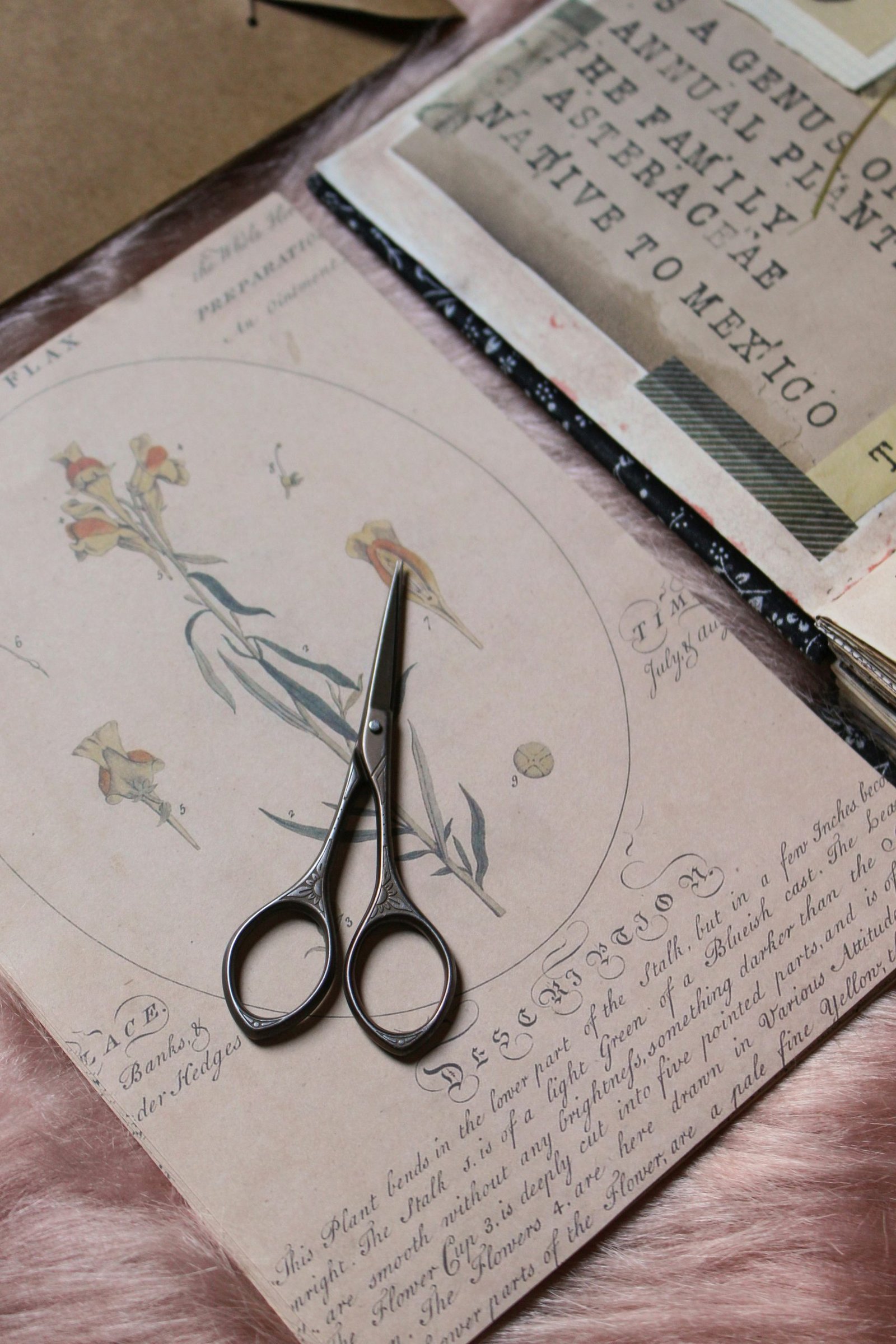
– Glue, scissors, and adhesive media for collage and mixed-media layers.
– Color media: colored pencils, watercolors, acrylics, or gelatos.
– Collage materials: magazines, patterned papers, stamps, stencils.
– Tools for texture and line: masking tape, washi tape, stencils, stamps, and texture pastes.
– Optional but helpful: a spray bottle, a small portable paper towel, spare cloths, and a light desk or table space.
Techniques and prompts can help beginners build confidence and establish a routine. Simple techniques can be practiced right away, with no need for perfect results. Options include:
– Candid journaling: Pair a short written reflection with a quick series of marks or doodles that capture mood or memory.
– Layered collage: Create a background with painterly washes or color blocks, then layer cutouts or found textures to convey a theme.
– Automatic or expressive writing: Use free association to prompt ideas, then translate emotions into abstract forms or symbols.
– Gridding and mapping: Create small, organized sections to explore related ideas or daily entries.
– Visual inventories: Collect objects, colors, or images that symbolize a specific period or feeling, then arrange them in a page spread.
– Minimal color studies: Focus on a limited color palette to study mood and harmony on a page.
– Prompt-based pages: Use prompts like “today I feel…,” “a memory from childhood,” or “one word that describes this moment” to guide both writing and imagery.
A beginner-friendly approach is to start with short, consistent sessions—even 10 to 15 minutes a day or a couple of longer sessions per week. The aim is to create a habit rather than to complete a perfect page. It can be helpful to designate a dedicated space and time for journaling, but flexibility remains important. Some practitioners prefer a strictly scheduled routine, while others integrate art journaling into daily life as a mindful activity during breaks or transitions.
Over time, many artists develop a personal style and choose to specialize in certain techniques or formats. Some favor heavily text-driven pages with minimal imagery; others lean into bold collage and paint. Still others blend digital and analog elements, scanning or photographing finished pages to share in online communities or to archive their work. The key is to remain curious and patient, allowing experimentation to guide growth rather than forcing a predetermined outcome.
Common questions often arise when starting art journaling. How often should one journal? There is no universal rule. Consistency matters more than frequency: even brief, regular sessions yield benefits. How much should one invest in supplies? Start with essential items and upgrade gradually as interest deepens. Do you need artistic training? No. Art journaling welcomes beginners and non-artists alike, with emphasis on process over product. Can art journaling be done digitally? Yes. Digital tools offer flexibility and can be integrated with traditional media for hybrid pages. How should a beginner handle critique? The practice is personal; avoid harsh self-judgment and focus on personal exploration and enjoyment.
Project ideas for beginners provide a gentle entry into the practice:
– A gratitude page: Document three things you’re grateful for with a small collage, color blocks, and a short note.
– A daily mood log: Create a page that summarizes your day’s mood using color and simple symbols.
– A memory page: Revisit a favorite memory and translate elements into imagery—colors, textures, and shapes that evoke the moment.
– A nature-inspired page: Collect natural textures or photos and combine them with abstract marks to reflect your connection to the outdoors.
– A goals spread: Sketch a simple plan for an upcoming project or personal goal using visual metaphors.
Digital versus analog journaling each has distinct advantages. Analog journaling offers tactile engagement, physical texture, and the ritual of letting ideas take form on paper. Digital journaling provides editing flexibility, unlimited repeats, easy duplication, and space-saving convenience. Some artists enjoy a hybrid approach, starting on paper and transferring or adapting elements to a digital format for sharing or archiving.

*圖片來源:Unsplash*
For beginners, establishing a sustainable routine is often more important than pursuing impressive results. A routine can be anchored by a weekly page or a daily micro-page, depending on availability and motivation. The key is to reduce friction: choose materials that feel approachable, set a realistic time window, and create a welcoming environment free from judgment. Over time, you may find your own rhythm, preferred media, and page structure that suit your personal expression.
Ethical and practical considerations also matter. Respect for public or shared spaces is important when attending workshops or community studios. If you work with magazines or found images, be mindful of copyright and licensing if you intend to share pages publicly. For those who publish or display their work, consider giving credit to artists or sources when appropriate and maintain a personal boundary between private journaling and public sharing.
In addition to personal benefits, art journaling can be a gateway to broader creative exploration. It often serves as a low-pressure springboard for more ambitious art projects, including mixed-media canvases, zines, or collaborative pieces. The skills developed in journaling—composition, color sense, texture layering, and reflective writing—transfer well to other creative endeavors. The practice can also function as a form of visual diary, capturing the arc of daily life, emotional landscapes, and evolving interests over time.
As art journaling grows in popularity, communities and resources continue to expand. Online platforms, local workshops, and artist collectives provide inspiration, prompts, and feedback. Many practitioners share pages in social media communities, art journals clubs, or exhibition spaces, contributing to a supportive network that encourages experimentation and growth.
Perspectives and Impact
Art journaling represents a broad, inclusive practice that transcends traditional definitions of drawing or painting. It accommodates diverse approaches—intuitive sketching, thematic collage, written prose, watercolor washes, stamp prints, and digital hybrids—allowing participants to tailor the process to their lives and goals. Its impact stems from its accessibility and its emphasis on process rather than product. This lowers barriers for beginners who might feel intimidated by conventional drawing or painting coursework.
The practice encourages mindful attention to the present moment. When engaged in an art journaling session, individuals often become more attuned to sensory experiences—color, texture, and mark-making—while also processing thoughts and feelings through words. This dual-channel engagement can support emotional regulation, reduce stress, and foster self-compassion. For students, professionals, and hobbyists alike, art journaling offers a practical, portable outlet for reflection and creativity.
Art journaling has potential implications for education, mental health, and community building. In educational settings, journaling can supplement literacy and art curricula, providing a versatile method for students to document learning, reflect on growth, and express ideas beyond traditional tests. In mental health contexts, the reflective and expressive nature of journaling aligns with therapeutic approaches that emphasize self-awareness and coping strategies. Communities and workshops that encourage shared journaling experiences can foster social support, while respecting individual privacy and boundaries.
Looking to the future, art journaling may increasingly integrate digital tools, enabling seamless transitions between analog pages and online sharing. New media, such as augmented reality overlays or interactive journals, could expand how people engage with personal narratives and creative experimentation. As with any creative practice, accessibility remains important: designers and educators can help lower barriers by providing affordable materials, clear guidance, and inclusive spaces that welcome participants of all backgrounds and abilities.
The growing interest in art journaling also intersects with broader conversations about creativity in daily life. In a fast-paced world, people seek ways to slow down, observe, and document their experiences. Art journaling offers a practical solution: a personal, portable studio that travels with you. Its flexible format means it can adapt to shifts in routine, location, and interest, making it a durable, long-term companion for cultivating habit, mindfulness, and imaginative thinking.
Key themes emerging from contemporary practice include experimentation, play, and personal storytelling. Rather than striving for a perfect finished piece, practitioners celebrate the act of making as meaningful in itself. The journal becomes a space for risk-free exploration, where mistakes are reframed as discoveries and every page contributes to a larger personal archive of growth and memory. As interest continues to grow, more people are discovering the value of integrating art, writing, and reflection into daily life.
Key Takeaways
Main Points:
– Art journaling blends visual art and written reflection to support personal growth, mindfulness, and creativity.
– It is accessible to beginners and non-artists, with a focus on process rather than perfection.
– Tools range from simple, affordable supplies to digital options, and hybrid approaches are common.
Areas of Concern:
– The potential for overwhelming beginners with too many materials or advanced techniques.
– The risk of privacy concerns when sharing journal content publicly.
– The need to balance time commitment with other life responsibilities to maintain a sustainable practice.
Summary and Recommendations
Art journaling offers a versatile and inclusive approach to creativity and self-expression. By merging imagery, color, texture, and words, practitioners can capture emotions, document experiences, and build a personal archive that supports learning, reflection, and well-being. The practice is intentionally low-pressure, inviting participants of all skill levels to start small, experiment regularly, and gradually expand their toolkit and repertoire. For beginners, the recommended path is to establish a simple routine with a dedicated journal, minimal set of supplies, and a few approachable prompts. As confidence grows, individuals can explore additional media, more complex layouts, and hybrid digital-analog workflows to enhance their practice. Ultimately, art journaling is not about producing gallery-worthy pages but about cultivating presence, curiosity, and resilience through creative, reflective work.
References
- Original: https://abeautifulspace.co.uk/what-is-art-journaling-a-complete-beginners-guide/
- Additional references:
-https://www.creativebloq.com/how-to/art-journaling-guide
-https://www.skillshare.com/blog/what-is-art-journaling-and-how-to-start/
-https://www.artjournalclub.com/what-is-art-journaling/

*圖片來源:Unsplash*