TLDR
• Core Points: Art journaling blends visual and written expression, journaling techniques, and personal reflection to foster creativity and mindfulness.
• Main Content: It guides beginners through methods, supplies, prompts, and practical tips to start and sustain art journaling.
• Key Insights: It’s accessible to all levels, emphasizes process over perfection, and supports emotional well-being and self-discovery.
• Considerations: Materials choice, journaling space, time commitment, and privacy considerations shape practice.
• Recommended Actions: Start with a simple notebook, gather essential supplies, set realistic goals, and experiment with prompts.
Content Overview
Art journaling is more than simply applying paint to a page; it is a hybrid practice that combines visual art with written reflection. This approach creates a personal archive of thoughts, feelings, memories, and inspirations in a format that invites experimentation and self-expression. For beginners, the practice can seem daunting—what to include, which supplies to choose, and how to structure a page. Yet, art journaling is inherently flexible and inclusive. There is no single template to follow; instead, it offers a framework that can be adapted to individual preferences, time constraints, and creative goals.
The core idea is to treat the journal as a living sketchbook: a space to explore color, texture, mark-making, collage, and handwriting while recording moments from daily life or imaginative ideas. The activity is as much about the process as the product. By focusing on the experience of creation rather than the end result, beginners can reduce intimidation and build confidence. Over time, a practice can evolve into a meaningful ritual that supports mental clarity, emotional processing, and a sustained creative habit.
This guide presents practical steps for getting started, including common supplies, beginner-friendly techniques, and practical tips to sustain momentum. It also addresses frequently asked questions about art journaling, such as how to structure pages, how to balance imagery with text, and how to protect and preserve finished pages. While some people use their art journals for personal reflection, others treat them as experimental sketchbooks or mixed-media exploration notebooks. The common thread is the emphasis on personal expression, catharsis, and joyful experimentation.
For newcomers, the most important takeaway is that art journaling does not require special talent or perfect skills. It invites curiosity and a willingness to try different materials and methods. Even brief sessions—ten to fifteen minutes—can be meaningful and contribute to ongoing creative growth. As with any creative practice, consistency matters more than intensity, and establishing a routine can help form a sustainable habit.
The supplies listed in this guide are intentionally approachable and affordable, designed to help beginners feel equipped rather than overwhelmed. The emphasis is on choosing tools that feel comfortable and enjoyable to use, rather than chasing the latest professional-grade gear. From basic sketchbooks to glue sticks and fun washi tapes, the right starter set can lower barriers to entry and encourage experimentation. As confidence builds, artists often incorporate more advanced techniques, such as layering, texture creation, stenciling, and archival practices, while maintaining the journal’s personal, reflective core.
In summary, art journaling is a versatile, beginner-friendly practice that blends art-making and journaling to support self-expression, reflection, and everyday creativity. It is adaptable to different schedules, spaces, and personal aims, making it an accessible practice for people of all ages and backgrounds.
In-Depth Analysis
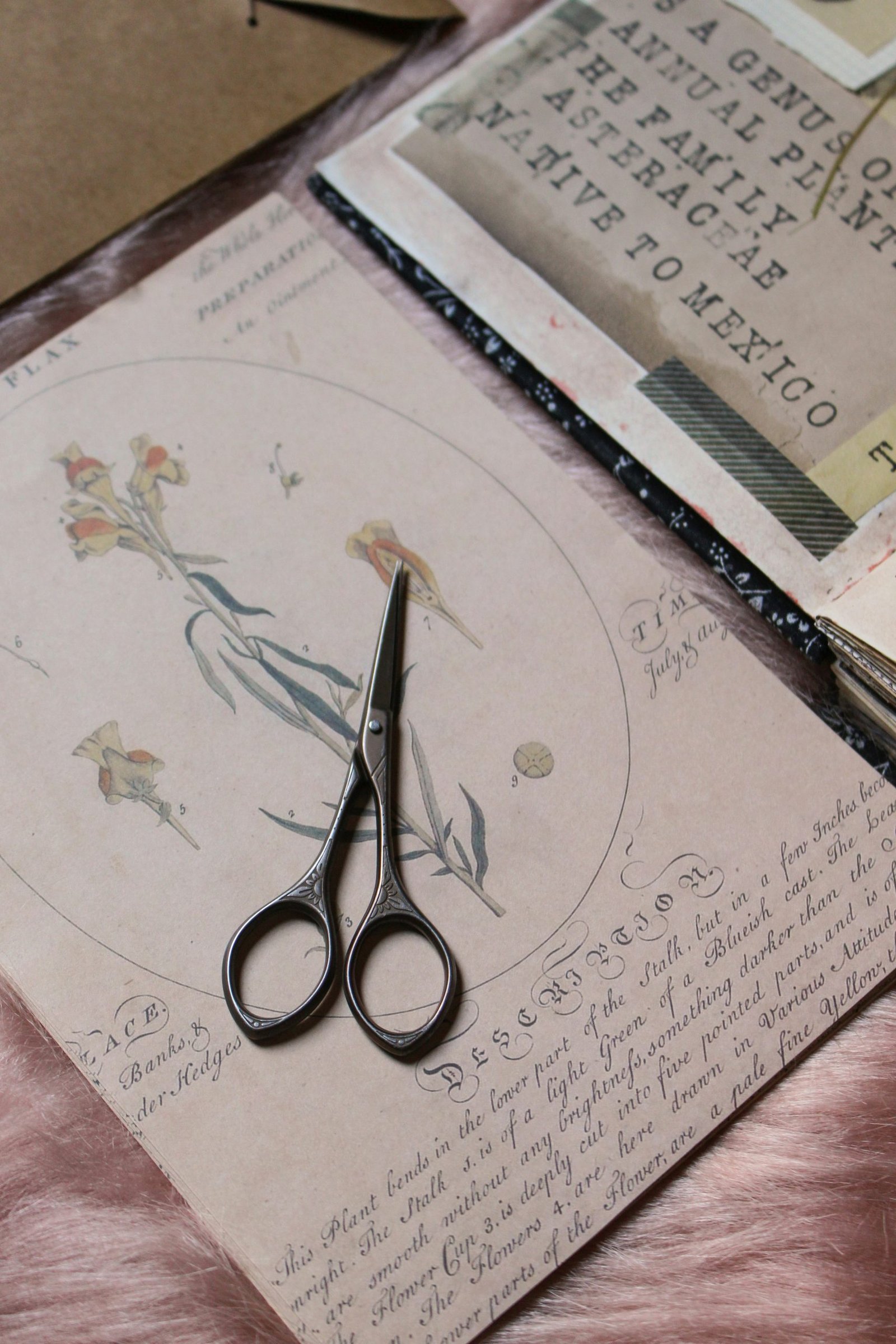
Art journaling operates at the intersection of visual art and narrative writing. It is not about producing a polished piece for display; rather, it is a private, evolving record of ideas, feelings, and observations. Practitioners use a combination of materials and techniques to convey mood, memory, or concept within a single page or spread. These may include paint, markers, pencils, collage elements, stamps, stencils, inks, and handwriting. The page becomes a canvas for experimenting with composition, color, texture, and symbolism.
The practice begins with a supportive mindset: permission to play, to fail, and to learn. For beginners, this mindset is essential because it reduces self-criticism and encourages curiosity. The journaling process often starts with a prompt or intention, followed by the selection of materials that best express the intended idea. Some artists focus on a single theme per page, while others accumulate visual and textual fragments over multiple pages to create a narrative arc.
Key components of a successful beginner’s art journaling routine include:
- Accessible supplies: A sturdy notebook, a basic set of drawing or painting tools, scissors or craft knives, glue, and a selection of papers or ephemera offer a versatile starting point.
- Flexible structure: Pages may be organized around a prompt, a color story, or a free-form exploration. There is no universal rule; the format should support the creator’s goals.
- Balance of image and text: Some pages emphasize illustration, while others foreground journaling or a combination of both. The balance evolves with the creator’s preferences.
- Layering and texture: Building depth through layers—across paint, collage, stencils, and handwriting—adds visual interest and tactile appeal.
- Preservation considerations: If a journal is intended for long-term use, consider archival-quality materials and protective practices to prevent deterioration.
Beginner techniques worth trying include:
- Monoprints and simple mark-making: Use brushes, sponge textures, or found objects to create unique backgrounds.
- Collage and found materials: Incorporate photos, tickets, fabric scraps, and magazine cutouts that resonate with the page’s theme.
- Hand lettering: Experiment with different fonts, sizes, and handwriting styles to complement imagery.
- Zentangle-inspired doodling: Create structured, repeating patterns to build rhythm and texture.
- Watercolor washes: Gentle color backgrounds can set a mood without dominating the page.
- Stamping and stenciling: Introduce repeated motifs for coherence across pages.
- Texture surfaces: Use gesso, modeling paste, or textured papers to add tactile elements.
A common question concerns the frequency and duration of sessions. Effective practice does not require long, uninterrupted sessions. Short, consistent sessions—such as 15 to 30 minutes a few times per week—often yield meaningful progress and a steady habit. It is helpful to allocate a dedicated, comfortable space free from distractions, but many people successfully journal in small, portable formats during commutes or breaks.
Privacy is another consideration. Because art journaling often invites personal reflection and vulnerability, some artists keep their journals private, store them securely, or digitize certain pages for safeguarding. If sharing, it is important to set boundaries about what to reveal and to whom, ensuring that personal material remains within the creator’s control.
Prompts can be powerful catalysts for creativity. Beginners may use prompts that focus on observation, memory, emotion, or color. Examples include: “Describe a memory with color and texture,” “Capture a mood in three words and translate it visually,” or “Document a place you love using textures that remind you of the scene.” Prompts can be adapted to any theme, season, or personal interest.
From a practical standpoint, beginners should consider a few organizational strategies. Keeping a consistent page structure—such as a corner for title or date, a central image, and a text block—can reduce ambiguity. However, flexibility remains essential; if improvisation feels more natural, allow the page to unfold organically. Grouping related pages into themes or color families can help create a cohesive journal narrative over time.
The educational value of art journaling has been noted in various contexts. It provides an accessible entry point for exploring visual literacy, emotional intelligence, and creative problem-solving. For students and adults alike, the practice can serve as a non-threatening platform to practice observation, reflect on experiences, and build confidence in one’s creative abilities. The process emphasizes self-direction and personal growth, rather than adherence to external standards.
Materials and tools do not need to be expensive. Many artists begin with a basic sketchbook, a few paints or markers, a glue stick, scissors, and a selection of decorative papers. As confidence grows, practitioners often add more advanced tools—acrylics, collage papers, gel pens, archival inks, and various mediums—while maintaining the personal nature of the journal. For some, a digital art journaling approach may complement physical journaling, offering editing flexibility and a way to back up content.

*圖片來源:Unsplash*
One critical aspect of art journaling is experimentation with boundaries and materials. The journal becomes a space for trial and error, where mistakes can be repurposed or celebrated as part of the process. The practice encourages risk-taking—trying new combinations of media, layering, and multimedia hybrids—without fear of failure. In this sense, art journaling can be especially beneficial for individuals seeking a creative outlet during stressful times or periods of change.
In terms of pedagogy and community, many artists participate in workshops, online communities, or local meetups to share techniques, prompts, and encouragement. Seeing others’ pages can provide inspiration and new directions while maintaining a personal approach. Critics of art journaling sometimes argue that it lacks rigor or objective standards; however, proponents emphasize its accessibility, therapeutic value, and capacity to document personal growth in a tangible, visual form.
Ultimately, art journaling is a dynamic practice that can evolve with the creator. Some people use it as a diary of daily life, others as a visual notebook for ideas and projects, and still others as a creative toolbox for experimentation. The form’s flexibility makes it suitable for a wide range of ages, interests, and skill levels. The key is to begin with intention, maintain curiosity, and allow the journal to develop naturally over time.
Perspectives and Impact
Art journaling sits at the crossroads of art therapy, education, and personal development. As a therapeutic practice, it can assist individuals in processing emotions, reducing stress, and increasing mindfulness. The sensory engagement involved—handling textures, blending colors, and manipulating papers—provides sensory input that can help some people regulate mood and attention. While art therapy typically involves trained professionals and structured interventions, art journaling offers a self-guided alternative that can be practiced independently or alongside therapy as a supplementary activity.
From an educational perspective, art journaling supports multimodal literacy by integrating text and image. It encourages learners to articulate ideas visually and verbally, which can strengthen communication skills and cognitive flexibility. For students, a journal can function as a portfolio of growth, illustrating progress over time and highlighting shifts in perception or technique. Educators may incorporate journaling into curricula to foster reflection, creativity, and metadata about learning processes.
Culturally, art journaling reflects broader trends in personal expression and DIY culture. The accessibility of supplies and the democratization of media creation empower individuals to document experiences, cultures, and communities in intimate, handmade formats. As digital tools increasingly intersect with traditional media, artists may blend analog and digital methods to create hybrid journals that preserve tactile qualities while leveraging the capabilities of software and online sharing.
Future implications for art journaling include growing interest in inclusive practices that accommodate diverse backgrounds and accessibility needs. This might involve adaptive tools for artists with limited mobility, multilingual prompts, or techniques that rely less on dexterity and more on conceptual exploration. As social media and community platforms continue to shape creative practices, art journaling communities may expand globally, sharing prompts, tutorials, and collaborative projects that inspire ongoing engagement.
The practice also raises questions about the balance between spontaneity and curation. Some creators relish the immediacy of unfiltered, spontaneous pages, while others enjoy a deliberate, thematic approach that builds a cohesive body of work. Both orientations have value, and many artists experiment with hybrids that blend quick, expressive pages with more contemplative, planned spreads.
In terms of mental health and well-being, regular journaling—whether verbal, visual, or integrated—has potential benefits. The act of documenting experiences can promote self-awareness, emotional processing, and a sense of mastery. However, it is not a substitute for professional care when needed. Individuals facing persistent mental health concerns should seek guidance from qualified professionals while using journaling as a complementary practice.
Overall, art journaling represents a versatile, inclusive practice with broad appeal. Its emphasis on process, personal meaning, and creative risk-taking makes it accessible to beginners while still offering depth for experienced practitioners. As people continue to explore the intersections of art, writing, and mindfulness, art journaling is likely to sustain relevance as a practical means of self-expression and reflection.
Key Takeaways
Main Points:
– Art journaling integrates visual art and writing to capture thoughts, memories, and inspirations.
– It is beginner-friendly, emphasizing process over perfection and accessibility over technical prowess.
– The practice supports creativity, mindfulness, emotional reflection, and personal growth.
Areas of Concern:
– Material selection can be overwhelming for newcomers if not guided by simple, affordable options.
– Privacy and personal boundaries may be important for those using journals to process sensitive emotions.
– Some may view it as lacking formal rigor; balancing flexibility with structure can be challenging for beginners.
Summary and Recommendations
Art journaling offers a flexible, approachable pathway to combine art-making with journaling. For beginners, the key is to demystify the process: start with a small, user-friendly set of supplies, adopt a simple page structure or prompts, and commit to short, regular sessions. The emphasis on personal meaning and exploration makes it a low-pressure method to cultivate creativity, improve self-awareness, and reduce stress. Over time, practice can evolve from a casual hobby into a meaningful routine that yields both artistic and reflective benefits.
To begin your art journaling journey:
– Choose an accessible notebook and a basic starter kit (markers, pencils, safe scissors, glue, a few papers or ephemera).
– Decide on a loose routine, such as 15–30 minutes, several times a week.
– Start with prompts or a simple theme to guide your first pages, then allow your pages to unfold organically as you gain confidence.
– Focus on the process rather than the final product, accepting mistakes as opportunities for discovery.
– Consider privacy preferences and storage options to protect personal content.
– Explore a mix of techniques progressively, adding more materials as your interest grows.
– Engage with communities or workshops for inspiration and feedback, while keeping ownership and authenticity as central to your practice.
By embracing a flexible, patient approach, beginners can develop a fulfilling art journaling habit that supports creativity, reflection, and well-being.
References
- Original: https://abeautifulspace.co.uk/what-is-art-journaling-a-complete-beginners-guide/
- Additional references:
-https://en.wikipedia.org/wiki/Journaling
-https://www.arttherapy.org/upload/ArtTherapy_Statemen t.pdf
-https://www.diynetwork.com/how-to/make-and-edit/arts-and-crafts/how-to-start-an-art-journal
Note: The provided references are examples and can be replaced with more specific sources as needed.

*圖片來源:Unsplash*