TLDR
• Core Points: Eclectic chic blends diverse design eras and influences into cohesive, personalized spaces, driven by TikTok creators and short-form inspiration.
• Main Content: The trend embraces fearless mixing of colors, patterns, textures, and furniture—from vintage finds to modern pieces—centered on storytelling and comfort.
• Key Insights: Accessibility is key;DIY culture, sustainable sourcing, and regional influences shape the movement; balance and intention are essential.
• Considerations: Buyers should curate thoughtfully to avoid visual clutter; budget-conscious strategies and safety considerations matter for DIY projects.
• Recommended Actions: Start with a focal moment, layer textures, and gradually integrate diverse pieces with a unifying color or material palette.
Content Overview
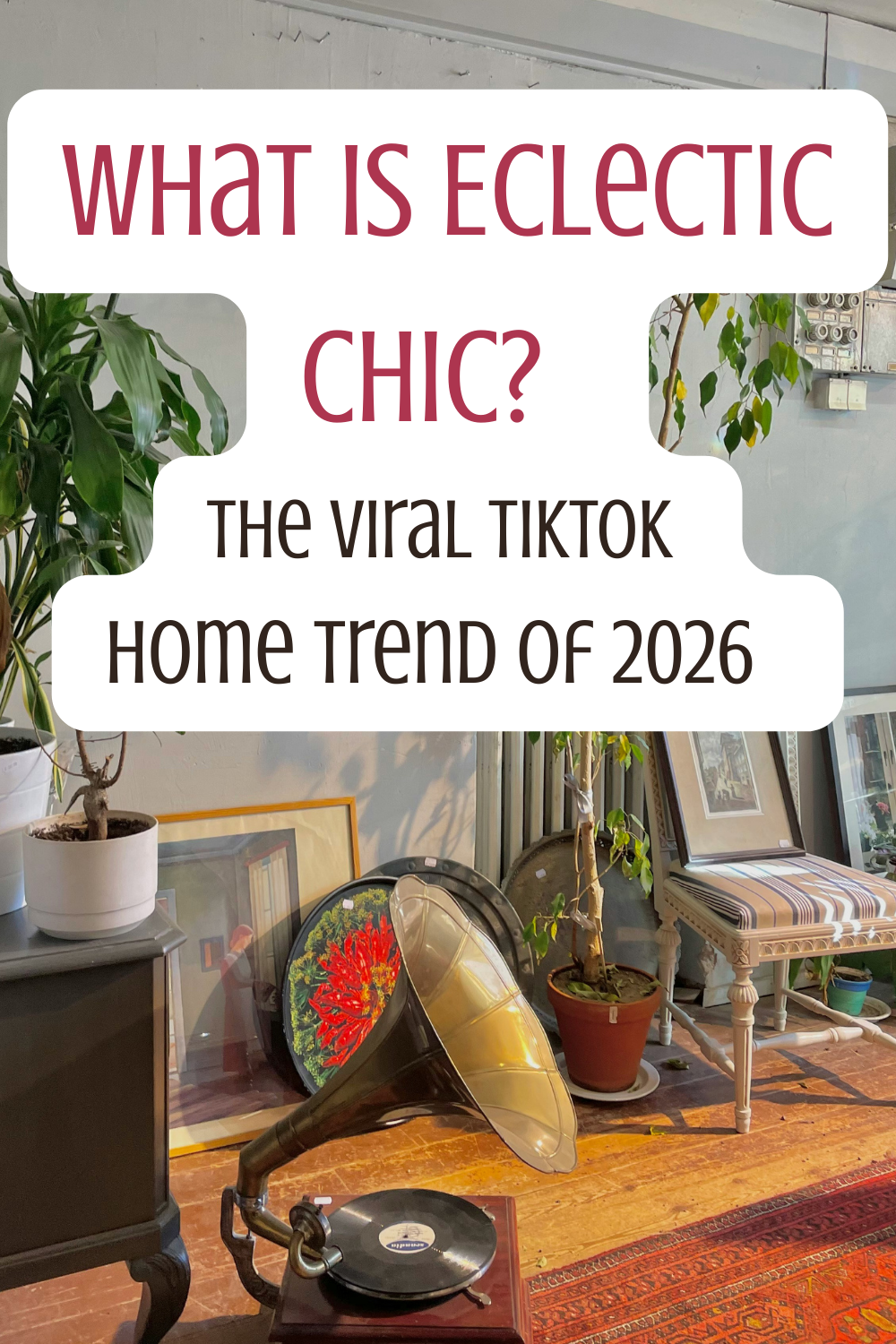
Eclectic chic has emerged as one of 2026’s defining home decor trends, with TikTok serving as the primary accelerant. The style is not a rigid design manifesto but a philosophy: curate a space that reflects personal history, travel memories, and evolving tastes through a deliberate juxtaposition of disparate elements. In practice, eclectic chic combines vintage furniture, contemporary silhouettes, global artifacts, and imaginative textiles into rooms that feel curated rather than chaotic. Creators on social media demonstrate how to weave colorful textiles, sculptural lighting, repurposed finds, and bold patterns into cohesive ensembles. The result is a living environment that tells a story—one that invites daily use, conversation, and a sense of belonging.
The appeal of eclectic chic lies in its inclusivity and adaptability. It welcomes pass-through discoveries from thrift stores, flea markets, and family heirlooms, while also incorporating modern, mass-produced pieces that offer practicality and reliability. Unlike other trends that emphasize a single stylistic label, eclectic chic stresses intentional contrast. It invites mismatched chairs beside a streamlined sofa, a vintage rug under a contemporary coffee table, or a global-inspired wall hanging paired with minimalist art. The guiding principle is balance: high-contrast elements can coexist when anchored to a shared color story, material, or motif.
This trend aligns with broader currents in interior design and consumer behavior. Shifting attitudes toward sustainability, second-hand shopping, and personal storytelling influence how people approach home decor. There is a pragmatic recognition that spaces should be flexible and resilient, capable of evolving as circumstances change. The TikTok ecosystem—short-form videos, rapid inspiration cycles, and accessible tutorials—has democratized design expertise, enabling a growing community to experiment with eclectic arrangements without the need for professional services.
In practical terms, creators outline a toolbox for achieving eclectic chic: a thoughtful base of neutral or grounding tones; a curated mix of textures (velvet, jute, wool, wood, metal); a collection of statement pieces that spark conversation; and a deliberate layering of decor items that adds depth without visual overload. The style favors storytelling through objects—every piece has a reason to be there, even if that reason is simply a fond memory or an overlooked detail that brings character. When done well, eclectic chic feels inviting, comfortable, and personally meaningful rather than curated for appearance alone.
This article examines what eclectic chic entails, how it has gained traction on TikTok, and how to navigate its practice in real homes. We explore design strategies that help create cohesive spaces from diverse elements, discuss potential pitfalls, and consider the cultural and practical implications of embracing a more eclectic approach to home decor.
In-Depth Analysis
Eclectic chic is a design vocabulary built on the deliberate mixing of eras, styles, and inspirations. It does not advocate for random clutter; instead, it prioritizes intentional contrasts that enhance a room’s atmosphere. At its heart is a belief in the value of personal storytelling within a living space. Objects accumulate meaning through use, memory, and the contexts in which they were chosen, whether that item is a mid-century chair, a handwoven textile from a distant market, or a contemporary sculpture with geometric lines. The successful application of eclectic chic hinges on a few core mechanisms:
Start with a foundation: A neutral base often provides the necessary calm for eclectic elements to stand out. This base could be a white or off-white wall, natural wood flooring, or a restrained architectural palette. A grounding foundation helps ensure that more energetic pieces don’t fight for attention.
Create a unifying thread: A consistent color story, material palette, or recurring motif helps disparate items work together. For example, a shared warm wood tone, a recurring metallic finish, or a recurring textile pattern can knit diverse elements into a coherent whole.
Introduce texture and scale strategically: Layered textures—velvet, linen, wool, sisal, ceramic, metal—add tactile interest without visual chaos. Varying scale, from oversized lighting to petite accents, creates rhythm and balance within the room.
Prioritize purpose and comfort: While eclectic chic embraces visual experimentation, it remains a lived-in style. Furniture should be functional, seating comfortable, and spaces adaptable to daily routines, gatherings, and downtime.
Curate with intention: Rather than filling a space with as many items as possible, editors of your own home are selective. Each piece should have a story, a function, or an emotional resonance, and the arrangement should invite exploration rather than intimidation.
In practice, this translates into scenes where modernist chairs sit beside vintage travel trunks, or a bold graphic rug anchors a space teeming with antique ceramics and contemporary art. Lighting plays a crucial role, as sculptural lamps and layered illumination help sculpt mood and highlight interesting details. Artwork often acts as a bridge between different eras—a modern abstract canvas paired with a vintage landscape, for instance—helping to merge the past with the present.
Sourcing is a practical dimension of eclectic chic. The trend mirrors broader consumer behavior toward mindful consumption and sustainability. Shoppers seek second-hand pieces that carry character and history, complemented by new items chosen for durability and design integrity. The DIY ethos is also present: some homeowners refurbish furniture, reupholster chairs, or repaint found objects to align with their palette. This approach reduces waste and reinforces the personal narrative embedded in the room.
Despite its allure, eclectic chic raises certain challenges. The openness of the style can risk visual overload if not carefully managed. To prevent a space from feeling busy or disjointed, many designers recommend anchoring the room with a dominant piece or central color, then layering complementary accents around it. Proper balance—achieved through proportion, symmetry, and intentional spacing—helps create rooms that feel both energetic and calm.
The TikTok ecosystem accelerates the pace at which eclectic chic can be learned and applied. Short-form tutorials, decor hauls, before-and-after reels, and styling challenges provide quick, practical demonstrations. Viewers gain access to budget-friendly ideas, DIY techniques, and product recommendations that reveal how to realize eclectic concepts without a professional team. The immediacy of social media also means trends can evolve quickly, with creators iterating on ideas and showcasing new combinations that readers can emulate in their own homes.
From a cultural perspective, eclectic chic mirrors a broader fascination with global influences and cross-cultural dialogue. Decorative arts, textiles, and furniture from different regions are celebrated for their unique aesthetics, while modern design techniques help contextualize them within contemporary living. This blending of global heritage with present-day sensibilities resonates with audiences seeking spaces that feel authentic, lived-in, and inclusive.
Economically, the trend interacts with the current state of consumer spending. The emphasis on thrifted or second-hand finds makes decor more accessible to a broader audience, even as higher-end pieces can still play a role as anchor items. The mix-and-match approach allows people to invest gradually, adding a single statement piece or a carefully chosen accessory over time. In turn, this gradual approach can be more sustainable and personally satisfying than a wholesale redecorating effort.
From a safety standpoint, the eclectic chic philosophy does not require compromising on well-being. When repurposing items or upcycling, individuals should consider materials, structural integrity, and proper restoration techniques. For people who are short on time or resources, working with a few well-chosen pieces and gradually expanding the collection remains a viable strategy.
Looking ahead, eclectic chic is likely to continue evolving as designers and homeowners experiment with new textures, technologies, and cultural references. The style could incorporate more artisanal techniques, sustainable materials, and modular designs that emphasize adaptability. The TikTok ecosystem will likely persist as a conduit for sharing ideas, tutorials, and success stories, further democratizing access to sophisticated, personalized decor.
Perspectives and Impact
Eclectic chic offers a meaningful alternative to more prescriptive design movements, emphasizing agency, memory, and personal voice in interior spaces. By encouraging people to collect and curate items with emotional or practical resonance, the trend undermines the notion that good design requires a single, authoritative style. Instead, it centers the inhabitant as curator—someone who navigates a world of visual signals and translates them into a space that supports daily life, social gatherings, and introspection.

*圖片來源:Unsplash*
This approach has several tangible implications:
Personal identity as design currency: Homes become extensions of the inhabitants’ stories. Travel souvenirs, family heirlooms, and favorite everyday objects all contribute to a room’s character.
democratization of design knowledge: Social media lowers the barrier to professional-sounding tips, enabling more people to experiment with eclectic concepts. This can foster confidence and skill development, especially for those who lack access to traditional design services.
Sustainability and mindful consumption: A preference for second-hand and upcycled pieces aligns with a growing emphasis on reducing waste and valuing provenance. This aligns with broader environmental goals while enriching the narrative quality of spaces.
Education about space planning: The discipline of balancing disparate elements cultivates a heightened awareness of proportion, scale, and composition. Homeowners learn to recognize when a room needs a unifying cue or when a piece simply competes with others for attention.
Cultural exchange and inclusivity: Global influences become more visible in everyday homes, broadening horizons and encouraging appreciation for diverse aesthetics. This cultural exchange enriches design discourse and personal living environments.
However, this inclusive approach also invites critical reflection. The ease of copying trends on social media can encourage superficial replication without understanding why certain combinations work. It’s essential to study how materials interact, how light changes throughout the day, and how a space functions in real life. The risk of overconsumption remains if inspiration spurs impulse purchases rather than thoughtful curation.
Beyond interior spaces, eclectic chic has implications for how people present themselves in shared environments. The style’s storytelling quality encourages conversations about the provenance of objects, the memories attached to them, and the ways spaces reflect community and belonging. For many, these conversations strengthen relationships and provide a sense of rootedness in evolving personal narratives.
As we look to the future, several trends may influence how eclectic chic develops:
Increased emphasis on sustainability and circular design: People will seek durable, repairable pieces and prioritize provenance and repairability when selecting items.
More local and artisanal collaborations: Designers may partner with makers to produce limited, story-rich pieces that integrate traditional techniques with contemporary aesthetics.
Hybrid spaces in smaller homes: Compact living solutions will push more refined, space-efficient eclectics, combining multifunctional furnishings with expressive décor to maximize impact in limited square footage.
Digital design tools: Augmented reality and online styling platforms could help homeowners visualize eclectic combinations before committing to purchases, reducing trial-and-error waste.
Educational resources: As interest grows, more tutorials, courses, and guides will emerge to help consumers learn how to curate effectively, including how to measure scale, select neutrals, and build cohesive color stories.
Overall, eclectic chic represents a shift toward more personal, resilient, and inclusive design—a philosophy that recognizes the home as a living archive rather than a showroom. By embracing curated contrasts and thoughtful storytelling, homeowners can craft spaces that feel anchored in the present while honoring memories and influences from the past and beyond.
Key Takeaways
Main Points:
– Eclectic chic blends diverse eras, cultures, and styles into cohesive, story-driven spaces.
– The approach relies on a unifying thread—color, texture, or motif—to maintain balance.
– TikTok and short-form content have democratized access to design ideas and tutorials.
Areas of Concern:
– Risk of visual clutter without careful planning.
– Potential overconsumption if trends prompt impulse shopping.
– The need to balance aesthetics with daily function and safety.
Summary and Recommendations
Eclectic chic is more than a trend; it’s a design philosophy that prioritizes personal storytelling, sustainable sourcing, and flexible living. By mixing vintage, modern, and global elements within a cohesive framework, homes can feel both dynamic and welcoming. The TikTok-driven momentum behind the trend provides ample inspiration and practical guidance, but success hinges on deliberate curation. Start with a calm foundation, establish a unifying thread, and introduce texture and scale with intention. Use upcycled and second-hand pieces where possible to reduce waste and cultivate provenance. Embrace the DIY mindset where feasible, but prioritize safety and functionality. Above all, let your space reflect who you are and how you live, rather than conforming to a single, market-driven aesthetic.
For readers ready to explore eclectic chic, a practical plan might include:
– Identify a central anchor piece (a sofa, rug, or art print) that defines the room’s mood.
– Select a unifying color family or material (warm wood tones, brass accents, or earthy textiles) to thread through accessories and furniture.
– Curate a mix of textures (velvet, wool, linen, woven fibers) to add depth.
– Integrate meaningful objects from different times and places, ensuring each item has a purpose or story.
– Layer lighting with a combination of ambient, task, and accent lamps to sculpt mood.
– Reassess periodically, swapping or resizing elements to maintain balance as tastes and needs evolve.
By applying these ideas with intention, readers can create living spaces that feel authentic, resilient, and richly styled—hallmarks of eclectic chic in 2026 and beyond.
References
- Original: https://abeautifulspace.co.uk/what-is-eclectichic-the-tiktok-viral-home-decor-trend-of-2026/
- Additional references:
- https://www.apartmenttherapy.com/eclectic-interior-design-ideas
- https://www.vogue.com/article/eclectic-decor-trend-home-design-2025-2026
- https://www.apptheory.com/blog/eclectic-chic-guide

*圖片來源:Unsplash*