TLDR
• Core Points: Eclectic Chic blends diverse styles, bold color, and personal storytelling through curated objects, creating vibrant, lived-in spaces that reflect individuality.
• Main Content: The trend leverages TikTok and short-form content to inspire experimentation with layering, texture, and global influences while emphasizing sustainable sourcing and intentional purchases.
• Key Insights: Balance is essential—mix vintage finds with modern pieces, prioritize cohesion in color and scale, and curate a narrative for each room.
• Considerations: Overfilling can feel chaotic; buyers should budget, source responsibly, and consider the environmental impact of fast decor cycles.
• Recommended Actions: Start with a single statement piece, audit existing furniture, experiment with textures, and document progress to build a cohesive eclectic aesthetic.
Content Overview
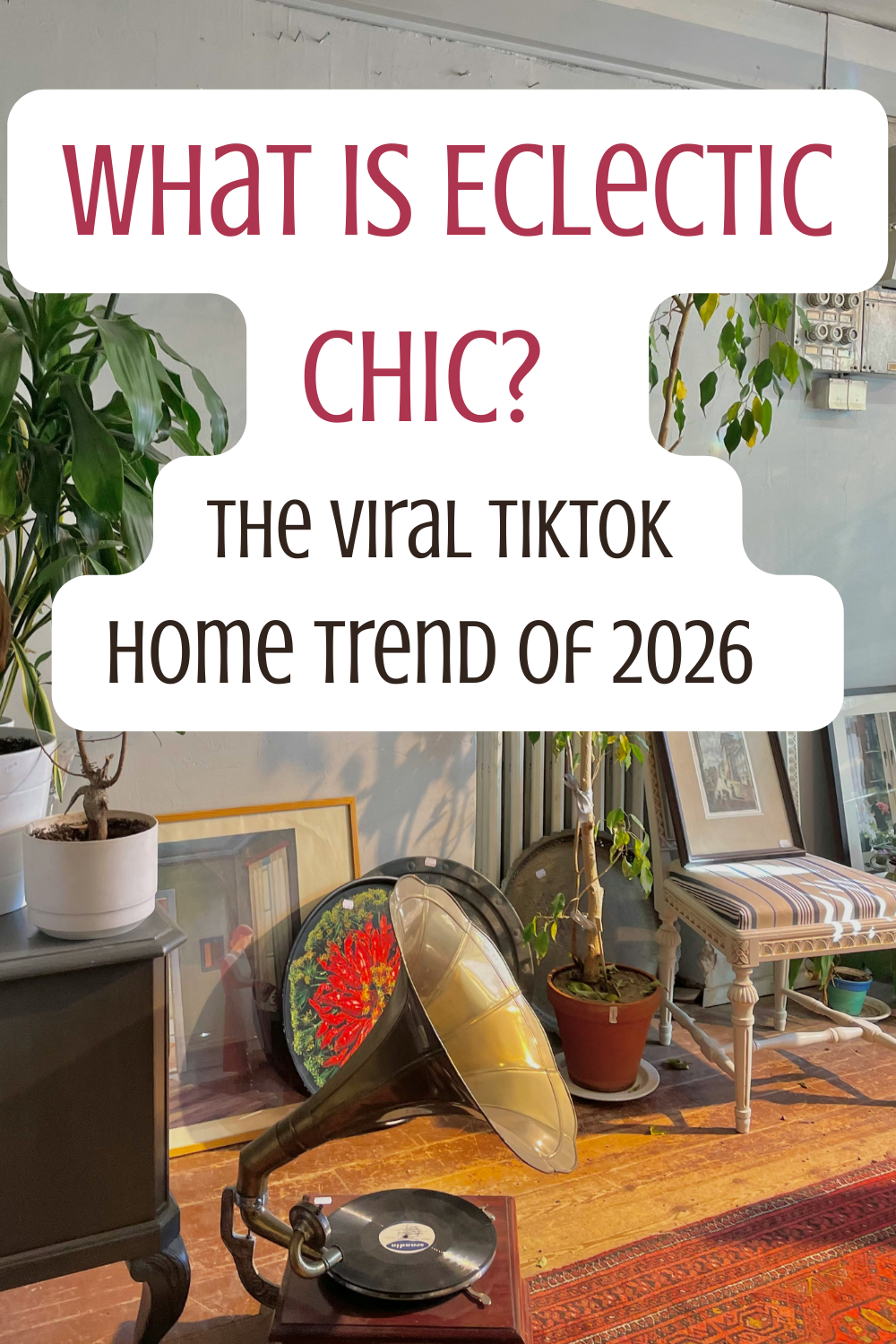
Eclectic Chic is the home-decor trend that has surged in popularity on TikTok and other short-form platforms as of 2026. At its core, the style rejects rigid design rules in favor of a curated collage of elements that tell a personal story. Rather than adhering to a single era or motif, Eclectic Chic blends disparate pieces—vintage furniture, contemporary silhouettes, global textiles, and artisanal crafts—into a warm, expressive space. The movement aligns with broader shifts in consumer behavior: a desire for authenticity, sustainable shopping practices, and furniture and decor that feel “lived-in” rather than showroom pristine.
What makes Eclectic Chic distinct is not merely a rough mix of patterns and period pieces, but a thoughtful orchestration of contrasts. It embraces color saturation, tactile textures, and a layering approach that creates depth and personality. The trend is often driven by social media creators who demonstrate practical methods for achieving this look on varied budgets. They emphasize storytelling through objects: a cherished travel souvenir, a family heirloom repurposed with a modern twist, or a handmade textile paired with a clean, minimalist sofa to create a balanced yet dynamic composition.
This article explores what Eclectic Chic means in practice, why it resonates with contemporary audiences, and how to implement the look in a way that remains cohesive, livable, and sustainable. It also discusses potential pitfalls and provides pragmatic guidance for achievers of all experience levels—from first-time decorators to seasoned designers seeking a fresh lens on residential interiors.
In-Depth Analysis
Eclectic Chic operates on a few core principles that distinguish it from other decorating styles. First, it centers on curated contrast rather than uniformity. Rather than matching everything in a room, eclectic spaces mix different eras, textures, and cultural influences. A velvet mid-century chair can sit beside a sleek glass coffee table and a handwoven rug from a local artisan, with each piece selected for its individual character and how it contributes to the whole.
Second, color remains a critical instrument, but not in a uniform palette sense. Instead, designers use a bold, confident color story that weaves through textiles, art, and accessories. A room might pair warm terracotta with deep emerald accents, tempered by neutrals that prevent the space from feeling overwhelming. The key is repetition and rhythm: recurring colors appear in varying intensities across different surfaces and materials to unify the composition.
Texture also plays a starring role. Eclectic Chic invites tactile experiences: a sueded ottoman, a woven wall hanging, a metal sculpture, or a ceramic vase with a matte glaze. The layering of tactile elements adds depth and invites lingering attention, encouraging a sense of discovery as you move through the room.
Functionality remains essential. The style should not sacrifice practicality for aesthetics. Comfortable seating, usable storage, and thoughtful lighting are considered non-negotiable. In the hands of skilled designers, eclecticism becomes a framework rather than a free-for-all: objects are chosen for story, scale, and harmony, not merely for how they look in isolation.
A related trend is the emphasis on sustainable and intentional shopping. Many practitioners favor “slow decorating”—purchasing fewer items of higher quality, supporting local makers, and repurposing or refinishing existing pieces. This approach aligns with broader consumer values that prioritize environmental responsibility and personal connection to the objects that fill a space.
Technology and social media play a defining role in how Eclectic Chic spreads. Creators demonstrate palette choices, layering strategies, and display of vintage finds in a way that makes the process approachable. Short videos often feature before-and-after transformations, source recommendations for budget-friendly finds, and tips for safely integrating vintage or antique items into modern interiors. This democratization of design advice helps demystify the process and invites a wider audience to experiment with eclectic arrangements.
From a stylistic perspective, Eclectic Chic often borrows from several regional influences. Global textiles, carved wood, ceramic details, and metal accents can appear side-by-side with contemporary materials like acrylic and terrazzo. This global sensibility contributes to a sense of travel and memory, rather than a sterile, curated boutique vibe. It is not about collecting disparate items haphazardly; it is about telling a meaningful story through objects that speak to the occupants’ experiences and preferences.
The trend also intersects with accessibility and inclusivity in interior design. Because eclectic design values personal story and comfort over rigid canonical rules, a wider range of people can express themselves within their living spaces. This has broadened the appeal beyond traditional “decorator” audiences to everyday homeowners seeking a space that embodies who they are.
Yet there are practical considerations that come with this approach. The risk of an overly chaotic room is real if there is insufficient attention to scale, balance, and negative space. Similarly, a heavy emphasis on vintage or globally sourced pieces can lead to a cluttered feel if not managed with deliberate spacing and an intentional color backbone. To mitigate these risks, designers advocate for a deliberate staging process: start with a few anchor pieces, establish a color story, then gradually layer textures and art around those anchors.
In practice, a typical Eclectic Chic living room might feature a modern gray sofa paired with a retro coffee table, a vintage rug with a rich pattern, and a gallery wall that combines contemporary abstract prints with handmade masks or textiles. Lighting—an adjustable floor lamp, a warm table lamp, and a subtle pendant—helps unify the space by creating the right mood across different corners of the room. Storage solutions, such as a wooden credenza or woven baskets, ensure that the space remains functional despite its diverse furnishings.
One practical recommendation for beginners is to curate around a single “anchor.” This can be a color, a texture, or a favorite object that sets the tone for the room. From there, one can experiment with complementary or contrasting elements in manageable increments. A second approach is to work with a mood board or digital platform to visualize the intended color palette, scale relationships, and flow of the space before making purchases. This helps prevent oversaturation and maintains a cohesive arc across the room.

*圖片來源:Unsplash*
The pandemic era and the rise of home-centric content have also influenced how people conceive of Eclectic Chic. With more time spent at home, people sought spaces that felt personally meaningful and emotionally comforting. The eclectic approach provides that sense of warmth and personality without sacrificing functional practicality. The trend’s adaptability means it can translate effectively across apartment interiors, larger homes, and diverse architectural contexts.
To stay current with evolving aesthetics, designers emphasize ongoing curation rather than static perfection. Eclectic Chic is inherently dynamic: as tastes change, as new finds surface, and as cultural conversations shift, spaces can be refreshed with targeted updates rather than wholesale redecorating. This flexibility is one of the trend’s most durable attributes, enabling homeowners to evolve their spaces over time without large expenditures.
Perspectives and Impact
Eclectic Chic represents more than a decorative style; it embodies a broader shift in how people relate to their living spaces. The trend mirrors a cultural emphasis on authenticity, memory, and personal narrative. Homes become galleries of lived experiences, with objects serving as milestones and conversations starters. This perspective aligns with the idea that interior design is a form of storytelling, not a catalog of perfect showroom arrangements.
From an economic standpoint, Eclectic Chic interacts with the realities of furniture markets. The approach often boosts demand for vintage retailers, local artisans, and secondhand shops. It supports a more diversified supply chain in which refurbished items and artisanal crafts are valued alongside mass-produced pieces. This can contribute to more sustainable consumption patterns by extending the lifecycle of objects and encouraging mindful purchasing. Consumers may also benefit from price diversification: while some statement pieces can be pricey, the ability to mix affordable finds with higher-quality investments allows for scalable investment in a room’s design.
Socially, the trend fosters inclusive participation. Because it emphasizes personal taste and narrative rather than insistence on a single “correct” look, a broader audience can engage with interior design. This democratization is reinforced by the accessibility of inspiration on social media, where creators from various backgrounds share how they achieved their eclectic spaces within different budgets and spaces. The trend’s openness supports experimentation, learning, and collaboration across communities.
However, there are potential downsides to consider. The emphasis on visual abundance can lead to visual fatigue if spaces become overcrowded. The eclectic mix also increases the risk of cultural misappropriation or insensitive design choices if items are not engaged with respectfully. To mitigate these concerns, designers advocate for research and education about the origins of artifacts and textiles, ethical purchasing, and respectful integration of culturally significant objects. This mindful approach helps ensure that eclectic spaces honor their influences without trampling on cultural significance.
Sustainability remains a central theme for many practitioners. Upcycling, refurbishing older furniture, and supporting local makers reduces waste and carbon footprints compared with rapid, mass-produced décor cycles. The trend also encourages homeowners to reimagine existing pieces—perhaps refinishing a wood dresser, reupholstering a chair in a bold fabric, or repurposing a vintage trunk as a coffee table. These strategies align with broader environmental goals while enriching a space with unique character.
The ongoing evolution of Eclectic Chic will likely reflect shifts in design education and consumer values. As more people embrace remote work, home offices embedded within eclectic living spaces may become more common. The line between living areas and work zones is increasingly blurred, prompting designers to create flexible layouts with adaptable lighting, comfortable seating, and integrated storage. Additionally, evolving materials and manufacturing methods will influence the availability of diverse textures and finishes, enabling even more expressive combinations while maintaining practicality.
Looking ahead, the trend may intersect with other movements, such as maximalist minimalism, which seeks to strike harmony between abundance and clarity. The synthesis of order and exuberance could define new hybrid styles that borrow from eclectic roots while maintaining a disciplined, modern edge. This cross-pollination will likely keep Eclectic Chic fresh as new generations bring different cultural references, technologies, and aesthetic sensibilities to the conversation.
In sum, Eclectic Chic is more than a decorative approach; it is a design philosophy that celebrates personality, memory, and craft. It invites homeowners to curate spaces that are not just seen, but felt—a warm, eclectic weave of experiences that remains welcoming and functional in daily life. As with any trend, success hinges on mindful curation: selecting pieces with intention, balancing bold statements with quiet anchors, and maintaining a cohesive emotional rhythm throughout the home.
Key Takeaways
Main Points:
– Eclectic Chic blends diverse eras, textures, and cultural influences to create expressive, lived-in spaces.
– Color, texture, and storytelling objects are central; cohesion comes from rhythm and intentional repetition.
– Sustainable, mindful shopping—upcycling, local artisans, and quality investments—drives the trend.
– Social media democratizes design, enabling accessible experimentation and ongoing evolution.
Areas of Concern:
– Risk of visual chaos without careful balance and scale.
– Potential cultural insensitivity or misappropriation without respectful sourcing.
– Overreliance on trends could discourage long-term planning and function.
Summary and Recommendations
Eclectic Chic captures a modern appetite for space that feels personal, meaningful, and alive. By blending vintage and contemporary pieces, rich textures, and global influences, homes can reflect owners’ journeys while remaining comfortable and practical. The trend’s strength lies in its flexibility: it invites experimentation, supports sustainable practices, and thrives on storytelling through objects. To implement Eclectic Chic successfully, begin with a single anchor piece, define a color backbone to guide layerings, and gradually introduce complementary textures and art. Prioritize quality over quantity, source responsibly, and maintain clear sightlines to prevent clutter. With thoughtful curation, Eclectic Chic offers a dynamic, welcoming design language adaptable to diverse spaces and budgets.
References
- Original: https://abeautifulspace.co.uk/what-is-eclectichic-the-tiktok-viral-home-decor-trend-of-2026/
- Additional references:
- https://www.apartmenttherapy.com/eclectic-chic-interior-design-ideas-367294
- https://www.housebeautiful.com/room-decorating/design-tideas/g4045/eclectic-decor-tips
- https://www.designboom.com/interiors/eclectic-design-trend-2024-2025/

*圖片來源:Unsplash*