TLDR
• Core Points: Dental health significantly influences overall well-being, daily functioning, and long-term health; good oral care supports nutrition, sleep, and mental health while preventing costly disease.
• Main Content: Establishing routine oral hygiene, regular dental visits, and integrated household wellness habits enhances quality of life and reduces health risks.
• Key Insights: Oral health is interconnected with systemic health, nutrition, and stress management; families benefit from coordinated care and education.
• Considerations: Barriers include time constraints, dental anxiety, access to care, and cost; proactive planning and community resources help.
• Recommended Actions: Prioritize daily brushing and flossing, schedule semiannual dental checkups, limit sugary foods, and foster a family routine around dental health.
Content Overview
Oral health often sits on the periphery of wellness conversations, overshadowed by broader topics like nutrition, exercise, sleep, and stress management. Yet a growing body of evidence underscores that what happens in the mouth reverberates throughout the body. Dental health affects nutrition by influencing chewing efficiency and taste perception, which in turn impacts dietary choices and nutrient intake. It can also determine sleep quality through conditions such as sleep apnea or nocturnal teeth grinding, both of which have downstream effects on energy, mood, and cognitive function. Furthermore, chronic dental issues—gums, cavities, and tooth loss—can contribute to systemic inflammation and cardiovascular risk, with potential implications for diabetes management and pregnancy outcomes.
For households aiming to optimize wellness, dental health should be treated as a cornerstone of daily routines and long-term planning. This involves practical steps that families can implement together: establishing consistent oral hygiene habits, choosing tooth-friendly foods, navigating dental care access, and cultivating a supportive environment that encourages proactive care rather than reactive treatment. The goal is not merely to prevent pain or aesthetics concerns, but to enhance everyday functioning, reduce health disparities, and promote holistic well-being across all household members.
The following sections explore why dental health matters for household wellness, how to integrate good oral care into daily life, and what families can do to mitigate barriers and maximize long-term health outcomes. The discussion remains evidence-informed and grounded in practical recommendations that can be adopted by diverse households, regardless of income, location, or age composition.
In-Depth Analysis
Oral health and systemic health are deeply linked. The mouth serves as a gateway to the body; bacteria from dental plaque can travel and contribute to inflammatory processes that affect cardiovascular health, diabetes control, and pregnancy outcomes. While the connection is complex and multifactorial, the preventive approach—regular brushing, flossing, and routine professional cleanings—remains a foundational strategy to reduce disease risk. For households, integrating oral care into daily routines reduces the likelihood of missed appointments and delayed treatment, leading to better overall health trajectories.
Nutrition and diet play crucial roles in both oral and general health. Diets high in added sugars and acidic beverages promote tooth decay and enamel erosion, while nutrient-dense foods support gum tissue integrity and salivary flow. Families should prioritize foods that support dental health, such as fiber-rich fruits and vegetables, calcium-rich dairy or fortified alternatives, lean proteins, and water as the primary beverage. Conversely, frequent snacking on sugary items can create a cycle of acid attacks and bacterial growth, increasing cavity risk. Education about food choices—especially for children and adolescents—helps establish lifelong habits that protect both teeth and body.
Sleep quality is another area where dental health matters. Sleep disorders, particularly obstructive sleep apnea (OSA), can be influenced by oral and airway anatomy. Symptoms such as loud snoring, gasping, or restless sleep can affect daytime energy, mood, concentration, and even weight management. Addressing sleep-related issues often requires a multidisciplinary approach, including dental evaluation for custom appliances, behavioral strategies, and medical management when indicated. Poor sleep also has downstream effects on appetite regulation, stress hormones, and immune function, which can, in turn, impact oral health through behaviors like late-night snacking or mouth breathing that reduces saliva protection.
Mental health and stress management intersect with dental health in several ways. Stress can lead to bruxism (teeth grinding) and clenching, especially at night, which may cause enamel wear, jaw pain, and headaches. Psychological well-being influences health behaviors, including oral hygiene diligence and dental visit adherence. A household approach that supports stress reduction—through sleep hygiene, mindfulness, physical activity, and predictable routines—can indirectly benefit dental health by reducing parafunctional behaviors and encouraging consistent care.
Equity considerations are essential when discussing household wellness. Access to affordable dental care, cultural beliefs about oral health, and health literacy all shape how families approach dental care. Communities with limited access to preventive services often face higher rates of tooth decay and gum disease, contributing to broader health disparities. Public health strategies, employer-sponsored dental benefits, school-based programs, and community clinics can help bridge gaps. Families can also leverage tele-dental resources, sliding-scale clinics, and nonprofit organizations to obtain screenings, education, and preventive services.
Effective household-level strategies begin with a practical, evidence-based routine. Daily brushing twice a day with fluoride toothpaste, plus daily flossing or interdental cleaning, remains the bedrock. Replacing toothbrushes every 3-4 months (or sooner if bristles show wear) ensures effective plaque removal. For children, age-appropriate supervision and toothbrush selection, along with parental guidance on brushing technique, can establish durable habits. The use of alcohol-free mouthwash is optional and should be discussed with a dentist, particularly for children and individuals with sensitivities.
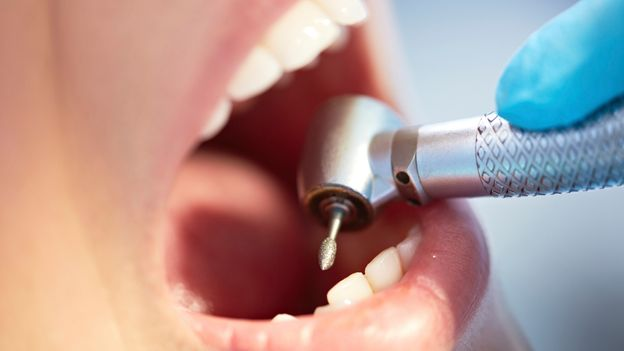
Professional dental care is critical for prevention and early detection. Regular dental visits—typically every six months for routine cleanings and exams—allow clinicians to monitor for cavities, gum disease, and early signs of oral cancer. Some individuals may require more frequent visits due to existing conditions, age, pregnancy, or compromised immune systems. Preventive interventions such as sealants, fluoride applications, and dietary counseling can significantly reduce the incidence of decay and periodontal problems. During visits, clinicians can also screen for systemic health issues rooted in oral health, reinforcing the concept that dental care is an integral component of overall health.
Household wellness planning should account for potential barriers. Time constraints, dental anxiety, and cost are common obstacles. Solutions include scheduling appointments during school breaks or workdays, exploring pediatric-friendly clinics, and seeking community resources such as low-cost clinics or dental discount programs. For anxious patients, strategies like gradual exposure, talk-through explanations, and, when appropriate, sedation options discussed with a clinician can help make visits more manageable. Insurance literacy—understanding what is covered, co-pays, and network limitations—can empower families to make informed choices that maximize value and access.
Education is a powerful tool for sustaining long-term gains. Providing age-appropriate information about why oral hygiene matters helps children develop autonomy and responsibility for their care. Teaching the correct brushing technique, the importance of flossing, and the impact of sugar on teeth creates a foundation for healthy behaviors that persist into adulthood. Family involvement—parental modeling, shared routines, and positive reinforcement—strengthens commitment to dental health as part of broader wellness goals.

*圖片來源:Unsplash*
The financial dimension of dental care should not be overlooked. Preventive care reduces the likelihood of costly restorations later, but out-of-pocket costs can still be a concern. Planning for regular preventive visits, budgeting for recommended treatments, and investigating flexible spending accounts or health savings accounts where available can ease financial barriers. Employers and schools can contribute by offering benefits, education, and on-site screenings, reinforcing the societal value of preventive care.
In summary, dental health is not an isolated concern but a core element of household wellness. By integrating oral care into daily routines, prioritizing preventive dental visits, and addressing systemic factors that influence oral health, families can improve nutrition, sleep, mental well-being, and overall health outcomes. The synergy between dental health and general wellness supports a more resilient, productive, and higher-quality life for all household members.
Perspectives and Impact
The broader implication of recognizing dental health as part of household wellness is a shift in how societies budget time, attention, and resources. When families view oral care as a shared responsibility and a preventive health measure rather than a reaction to pain, they are more likely to engage in consistent habits and seek timely professional care. This cultural shift can reduce health disparities by normalizing preventive care and making dental services a routine investment rather than an episodic expense.
Future directions for this field include integrating dental health metrics into comprehensive family wellness dashboards, combining dietary tracking with oral hygiene reminders, and leveraging digital health tools to monitor risk factors such as sugar intake, hydration, and sleep quality. Advancements in tele-dentistry and at-home diagnostic technologies may expand access, particularly in underserved communities. Education campaigns that connect oral health to overall outcomes—like cardiovascular risk reduction and improved glycemic control—could motivate broader adherence to preventive care.
On a policy level, expanding coverage for preventive dental services, supporting community dental clinics, and implementing school-based oral health programs can have long-term benefits for population health and healthcare costs. Encouraging schools to provide healthier meals and limit sugar-rich snacks aligns with oral health objectives and can reinforce positive behaviors at an early age. Employers can contribute by offering dental benefits, wellness incentives, and flexible scheduling that accommodates regular dental visits, recognizing that healthy employees often perform better and experience fewer health-related disruptions.
In the research domain, ongoing investigations into the oral-systemic health links, the microbiome’s role in disease, and the effectiveness of preventative interventions will continue to refine best practices. Translating research findings into practical guidance for families—clear, actionable steps—will be essential for broad adoption. Collaboration among healthcare providers, educators, policymakers, and community organizations can drive sustained improvements in household wellness.
Ultimately, the message is clear: dental health is a vital, actionable component of overall household well-being. By embracing integrated care, families can safeguard their health across lifespans, reduce burden from preventable diseases, and cultivate environments that support healthy choices, better sleep, stable mood, and sustained energy.
Key Takeaways
Main Points:
– Oral health is closely linked to overall health and quality of life.
– Regular hygiene, preventive care, and healthy diet protect both teeth and systemic well-being.
– Barriers exist, but proactive planning and access to resources can overcome them.
Areas of Concern:
– Persistent disparities in access to affordable dental care.
– Dental anxiety and avoidance of routine checkups.
– The need for clearer public messaging on the mouth-body health connection.
Summary and Recommendations
To optimize household wellness, families should treat dental health as a foundational component rather than an afterthought. Start with a reliable daily routine: brush twice daily with fluoride toothpaste, floss or use interdental cleaners nightly, and limit erosive and sugary foods and drinks. Schedule and keep semiannual dental checkups for all household members, with special attention to children, older adults, pregnant individuals, and those with chronic conditions. Seek care from affordable providers when needed and explore community resources to minimize financial barriers. Education is essential: teach children the correct brushing technique, explain why oral health matters for nutrition and sleep, and model consistent care as part of a broader wellness practice. By aligning dental health with nutrition, sleep, stress management, and physical activity, households can achieve more comprehensive, durable health outcomes and reduce the risk of preventable oral and systemic diseases.
References
- Original: https://abeautifulspace.co.uk/why-dental-health-is-an-important-part-of-overall-household-wellness/
- Additional references:
- World Health Organization. Oral health. https://www.who.int/health-topics/oral-health
- Centers for Disease Control and Prevention. Oral Health: Data and Statistics. https://www.cdc.gov/oralhealth/index.html
- American Dental Association. Oral Health Topics: The Mouth-Body Connection. https://www.ada.org/en/publications/ada-news/2020-archive/may/the-mouth-body-connection
- [Add 2-3 relevant reference links based on article content]

*圖片來源:Unsplash*