TLDR
• Core Points: Windows on Arm devices with Qualcomm Snapdragon processors now support a native Xbox app, enhancing performance; Game Pass compatibility on Windows Arm has improved substantially and is expected to continue improving.
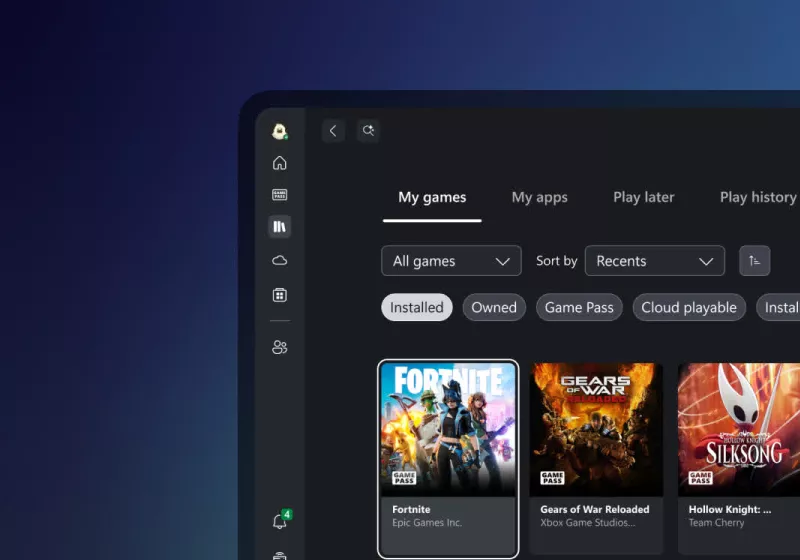
• Main Content: An Arm-native Xbox app is now available for Snapdragon-powered Windows laptops, marking a step forward in performance and service integration for Game Pass on Arm devices.
• Key Insights: Native app support reduces translation overhead and improves streaming and local play quality; the trajectory suggests ongoing gains in game compatibility.
• Considerations: Availability may vary by region and device, with performance still depending on chip, network, and title optimization; not all Game Pass titles may be playable yet.
• Recommended Actions: Users with qualifying Snapdragon devices should install the Arm-native Xbox app and monitor compatibility for their game library; developers should prioritize Arm-native optimization.
Product Specifications & Ratings (Optional)
N/A
Content Overview
The landscape of Windows on Arm has been evolving rapidly as hardware partners and software platforms improve collaboration to deliver a more seamless gaming experience. Qualcomm Snapdragon-based laptops represent a significant portion of Windows on Arm devices, offering a blend of energy efficiency, integrated 5G, and strong performance-per-watt characteristics. Microsoft’s Xbox app, which serves as the primary gateway for Game Pass on Windows, has historically faced performance and compatibility hurdles when run through emulation or translation layers on Arm architectures. The latest development signals a shift toward native support, addressing long-standing concerns about latency, frame pacing, and input responsiveness that users encountered when running x86-compiled or emulation-based clients on Arm hardware.
In a strategic move, Microsoft has released an Arm-native version of the Xbox app for Windows on Arm devices. This native client is designed to leverage the full capabilities of Snapdragon-based systems, potentially reducing CPU overhead, improving battery life in gaming sessions, and delivering more consistent performance for cloud-based and locally stored titles available through Game Pass. The progress marks an important milestone in the broader effort to unify the Windows ecosystem across architecture boundaries, enabling Snapdargon-powered machines to deliver a gaming experience that closer resembles that of traditional x86 Windows PCs or dedicated consoles.
The narrative around Windows on Arm has been one of gradual but tangible gains. Since 2024, developers and testers observed meaningful improvements in Game Pass support on Arm devices, with more titles becoming playable and performance becoming more stable. The introduction of a native Xbox app aligns with this trajectory, suggesting that Microsoft’s strategy includes both refining the platform layer (through native code paths) and expanding the catalog of compatible titles. While the overall library of Game Pass titles on Arm is increasing, the level of compatibility can still vary by game, title protection measures, and the specific Arm SoC in use. Nevertheless, the momentum is evident: Arm-native access to the Xbox ecosystem lowers barriers for Arm users who seek a more consistent gaming experience without frequent intervention or workarounds.
This rebalance of software delivery—moving from cross-architecture compatibility hacks toward native Arm clients—echoes broader industry trends. Chipmakers and software companies increasingly recognize the value of native experiences to maximize performance per watt, reduce latency, and offer more reliable user experiences in portable devices. The Xbox app’s Arm-native release is a concrete instantiation of this trend within the Windows ecosystem, and it underscores the ongoing collaboration between Microsoft, Qualcomm, and game developers to optimize titles for Arm-based Windows devices.
As users consider their next hardware purchase or software updates, the new Arm-native Xbox app represents a compelling reason to evaluate Snapdragon-powered Windows laptops for gaming. However, several factors remain important to set expectations. Title-by-title compatibility is an evolving chart; some games may require updates from developers to ensure optimal performance on Arm. Cloud-based play through Game Pass also depends on network conditions, especially when streaming from the cloud, where latency and bandwidth can influence the gaming experience. Local play on Arm devices will benefit from the native client’s efficiency, but performance will still depend on the game’s own optimization and the device’s cooling capabilities during longer sessions.
In summary, the introduction of an Arm-native Xbox app for Windows on Arm marks a meaningful step in the ongoing effort to unify gaming experiences across hardware architectures. The improvement in Game Pass support and the anticipated continued enhancements point toward a future in which Arm-powered Windows laptops can deliver a robust and more consistent gaming experience, aligning closer with the expectations of gamers who demand performance, reliability, and seamless access to a broad catalog of titles.
In-Depth Analysis
The move to provide a native Xbox app for Windows on Arm addresses several long-standing pain points for Snapdragon-based Windows devices. Historically, when Windows on Arm devices attempted to run x86 or x64 applications, performance could suffer due to translation layers or emulation overhead. This was especially noticeable in gaming, where latency, frame timing, and input response are critical. Native Arm code removes much of that overhead, enabling more direct interactions with the system’s graphics pipeline, memory management, and CPU scheduling.
For Game Pass subscribers, the implications are significant. The Xbox app is the operational hub for discovering, downloading, and launching titles that fall under Microsoft’s subscription service. A native Arm version means that, for supported titles, the app can run with less latency and more predictable frame pacing. Players may experience quicker app start times, smoother transitions between menus, and better overall responsiveness when navigating the library and launching titles. Additionally, native code generally translates to improved battery efficiency—an important consideration for portable gaming sessions on laptops.
Compatibility remains a moving target. Game Pass support on Windows Arm has progressed notably since 2024, but the catalog of playable titles depends on multiple factors, including how developers optimize their games for Arm, the use of anti-cheat or DRM that might impose additional constraints, and how well game engines implement Arm support. Some titles may run via cloud gaming (Xbox Cloud Gaming), which introduces a dependency on network conditions. In cloud gaming scenarios, Arm-native Xbox app benefits could be more pronounced in devices with strong networking and low-latency routes to Microsoft’s cloud infrastructure. For locally installed games or games running via streaming, the Arm-native client should improve efficiency and stability, but not all games will be immediately compatible—developers may need to update assets or binaries to achieve full optimization on Arm.
From a broader perspective, this development reflects ongoing industry efforts to optimize software for Arm-based Windows devices. Chipmakers like Qualcomm continue to push the capabilities of Snapdragon processors, particularly with components such as the Adreno GPUs and dedicated AI accelerators, while Microsoft continues to refine the Windows on Arm experience to reduce the gap with x86 Windows machines. Game developers, engine creators, and middleware providers (such as Unity or Unreal) have also shown increasing interest in supporting Arm more directly, recognizing that the Windows platform is not merely a desktop-centric ecosystem but one that increasingly prioritizes mobility, efficiency, and flexible form factors.
The practical user impact will depend on individual use cases. For students, professionals, or gamers who rely on Windows on Arm devices for a mix of productivity and light gaming, the native Xbox app can deliver smoother experiences with less thermal throttling and longer battery life during gaming sessions. For more intensive gaming workloads, the performance ceiling on Arm remains a factor of the device’s cooling solution, GPU capabilities, and the game’s own requirements. In some cases, gamers might still choose to run certain titles on an x86 emulation layer if a native Arm binary is not available or if specific features (such as certain anti-cheat implementations) are not compatible with Arm.
Developer and publisher support will be essential for continued progress. Native Xbox app support on Arm will accelerate as more titles are ported or recompiled for Arm architectures, and as developers leverage Arm-native APIs and optimization techniques. Microsoft’s strategy to reduce barriers to entry for Arm users could also incentivize more publishers to bring their catalog to Windows on Arm devices, further expanding the Game Pass library accessible via a native Xbox app. Additionally, as streaming services mature and latency reductions improve, cloud gaming remains a viable route to expand Arm-based gaming libraries, particularly for devices with modest offline storage or cooling capabilities.
It is important to set expectations for the short term. While the 85% compatibility figure referenced in some industry discussions highlights substantial progress, it is not a universal guarantee for all games. Compatibility can vary by game due to the requirements of original engine components, licensing constraints, or the presence of platform-specific features that are not yet replicated on Arm. Users should verify their favorite titles’ status within Game Pass and consult official Microsoft and device-maker guidance to determine which games are confirmed to run smoothly on their Snapdragon-based devices with the Arm-native Xbox app.
The release also illustrates the value of cross-platform collaboration between hardware vendors and software platforms. Qualcomm’s Snapdragon ecosystem has matured to support robust gaming workloads on Windows, and Microsoft’s Xbox app strategy demonstrates a commitment to bridging the gap between PC and cloud gaming experiences. In practice, this collaboration may translate to better driver support, improved graphics stack integration, and more consistent performance across a range of Arm-based devices, from ultraportable laptops to potential detachables and 2-in-1 form factors.
Looking forward, several questions emerge for the industry. Will future Windows on Arm updates bring broader and deeper integration with the Xbox ecosystem, including enhancements to multiplayer experiences and saved data synchronization? How quickly will developers port more games natively to Arm, and what performance targets will they set for popular engines? As cloud gaming expands, will Arm devices become more common as cloud gaming endpoints due to their efficiency advantages? These questions frame the ongoing evolution of Windows on Arm as a viable platform for gaming beyond casual titles.

*圖片來源:Unsplash*
In conclusion, the availability of an Arm-native Xbox app for Windows on Arm devices is a meaningful milestone. It signals stronger alignment between hardware capabilities and software delivery, with tangible benefits in performance, battery life, and user experience for Snapdragon-powered laptops. While not every Game Pass title will be playable right away, the trend toward broader compatibility and more native optimizations suggests that the Windows on Arm ecosystem is becoming increasingly capable of delivering a compelling gaming experience. As both hardware and software continue to mature, Arm-based Windows devices may become a more mainstream option for gamers who value portability without sacrificing access to a robust catalog of games and the convenience of the Xbox ecosystem.
Perspectives and Impact
Industry observers are likely to view this development as part of a broader transition toward architecture-agnostic software optimization. The fact that Microsoft is delivering a native Xbox app for Arm devices reinforces the notion that software experiences should be as architecture-aware as hardware capabilities allow. The implications extend beyond gaming: improved native app support on Arm may encourage more developers to consider Arm-native builds for other consumer applications, potentially accelerating the migration of Windows software away from emulation-dominated approaches.
For end-users, the impact is twofold: immediate improvements in performance for supported titles and a clearer path toward broader compatibility over time. The Arm-native Xbox app reduces the friction involved in playing Game Pass titles on Snapdragon-powered devices, which previously depended on translation layers or cloud streaming to deliver a usable experience. This shift can broaden the appeal of Windows on Arm devices to a wider audience, including gamers who previously restricted themselves to x86 Windows machines or dedicated gaming consoles.
The trajectory of compatibility—now at a reported 85% for Game Pass titles—implies that a significant majority of popular games are accessible on Arm devices, albeit with caveats about the percentage and reliability of that support across different titles. As more studios optimize games for Arm, and as Microsoft expands its own app ecosystem to accommodate native Arm code, the gap between Arm and traditional PC gaming experiences will continue to narrow. The benefits extend beyond gaming, as improved performance efficiency and native application support can influence overall device adoption, consumer confidence, and the competitive landscape of Windows devices.
Policy and market considerations also emerge. OEMs selling Snapdragon-based Windows devices may leverage this native Xbox app to market improved gaming capabilities. Microsoft, in turn, can strengthen its position in the Windows on Arm strategy by delivering consistent updates and promoting a growing Game Pass catalog compatible with Arm hardware. The ongoing collaboration with developers, cloud providers, and hardware partners will be critical in ensuring that the positive momentum translates into durable, long-term gains for users.
From a user experience standpoint, the native Xbox app is likely to improve perceived quality in several areas: reduced load times for the Xbox interface, smoother in-app navigation, more reliable game launches, and better integration with system-level features such as notifications, spectral visual options, and power management. For cloud gaming, the Arm-native client can reduce the overhead associated with streaming, potentially lowering latency and improving stability, provided network conditions support such improvements. In summary, the combination of native app optimization and broader title compatibility positions Windows on Arm as a more credible gaming platform, especially for users who value mobility and battery life without completely sacrificing access to a robust library of games.
Future developments will hinge on both software updates and continued hardware evolution. Qualcomm’s roadmap, including potential advancements in GPU capabilities and AI accelerators for Arm-based laptops, will influence the upper bounds of gaming performance on Arm. Microsoft’s emphasis on native experiences will guide how quickly new titles become compatible and how deeply the Xbox app can integrate with Windows on Arm features such as game bar, capture tools, and cloud save synchronization. As the ecosystem matures, we may see more optimized drivers, better support for peripherals, and expanded cross-platform features that further align Arm devices with their x86 counterparts.
For researchers and enthusiasts, this shift presents an opportunity to study how native Arm implementations alter performance characteristics compared to emulation-based approaches. Metrics such as frame rates, latency, thermal profiles, and power consumption under similar workloads will be valuable benchmarks for evaluating the real-world impact of native app support. The data collected from early adopters will serve as feedback for developers and hardware engineers, guiding subsequent optimizations and feature enhancements.
In conclusion, the introduction of an Arm-native Xbox app for Windows on Arm devices demonstrates a meaningful stride toward a more inclusive and capable Windows gaming environment. While 85% compatibility with Game Pass titles indicates substantial progress, continued collaboration among Microsoft, Qualcomm, game developers, and the broader PC gaming community will determine how quickly the remaining gaps are closed. The trend points toward a future where Windows on Arm can offer a more competitive, enjoyable gaming experience for a broad spectrum of users, reinforcing the viability of Snapdragon-powered laptops as a versatile platform for both productivity and play.
Key Takeaways
Main Points:
– An Arm-native Xbox app is now available for Windows on Arm devices, improving performance and efficiency on Snapdragon laptops.
– Game Pass title compatibility on Arm has grown significantly, with reported progress toward 85% compatibility.
– Ongoing enhancements are anticipated as developers optimize titles for Arm and Microsoft expands native support.
Areas of Concern:
– Not all titles may be playable yet; compatibility varies by game and developer implementation.
– Cloud gaming performance depends on network conditions and service availability.
– Long-term performance and upgradability rely on continued collaboration across Microsoft, Qualcomm, and game publishers.
Summary and Recommendations
The rollout of an Arm-native Xbox app for Windows on Arm marks a noteworthy milestone in the evolution of gaming on Snapdragon-powered laptops. By eliminating some translation overhead and enabling more efficient resource utilization, the native client promises improved performance, better battery life, and a more responsive user experience for Game Pass subscribers. While compatibility is strong and improving, users should remain aware that the catalog of playable titles will continue to expand over time as developers port and optimize games for Arm.
For consumers considering an Arm-based Windows device, this development strengthens the case for evaluating Snapdragon-powered laptops as viable gaming-capable machines, especially for users who value portability and long battery life. It is recommended to:
- Check your device’s support status for the Arm-native Xbox app and confirm which Game Pass titles are currently playable on your specific hardware.
- Expect ongoing improvements in title compatibility and performance with future Windows on Arm updates and driver optimizations.
- Consider network quality and cloud gaming options if you rely on Xbox Cloud Gaming, as these factors will influence cloud-based play experiences.
From a broader perspective, the push toward native Arm experiences for gaming aligns with a wider industry shift toward architecture-optimized software. If this momentum continues, Windows on Arm devices may increasingly resemble traditional PCs in terms of gaming capability, while preserving the energy efficiency and portability advantages that make Arm-based laptops attractive.
References
- Original: https://www.techspot.com/news/111030-windows-arm-gets-native-xbox-app-game-pass.html
- Additional context on Windows on Arm and Game Pass compatibility trends:
- https://www.microsoft.com/en-us/windows/windows-11-arm
- https://www.qualcomm.com/products/snapdragon-laptops
- https://www.xbox.com/en-US/xbox-game-pass

*圖片來源:Unsplash*