TLDR
• Core Points: Phil Spencer retires after 38 years; Asha Sharma named new gaming CEO; Xbox President Sarah Bond exits; leadership reshuffle centers on cloud gaming and consumer platforms.
• Main Content: Senior leadership transitions at Xbox with Spencer stepping down, Sharma succeeding him, and Bond leaving to pursue other opportunities.
• Key Insights: Microsoft aims to entrust cloud-forward strategy and consumer platforms to Sharma while maintaining continuity across Xbox’s growth initiatives.
• Considerations: Transition timing and integration with ongoing projects, including cloud gaming expansion and a potential strategic refocusing.
• Recommended Actions: Stakeholders should monitor Sharma’s early priorities and Xbox’s execution of cloud and subscription strategies; ensure clear communication to developers and customers.
Content Overview
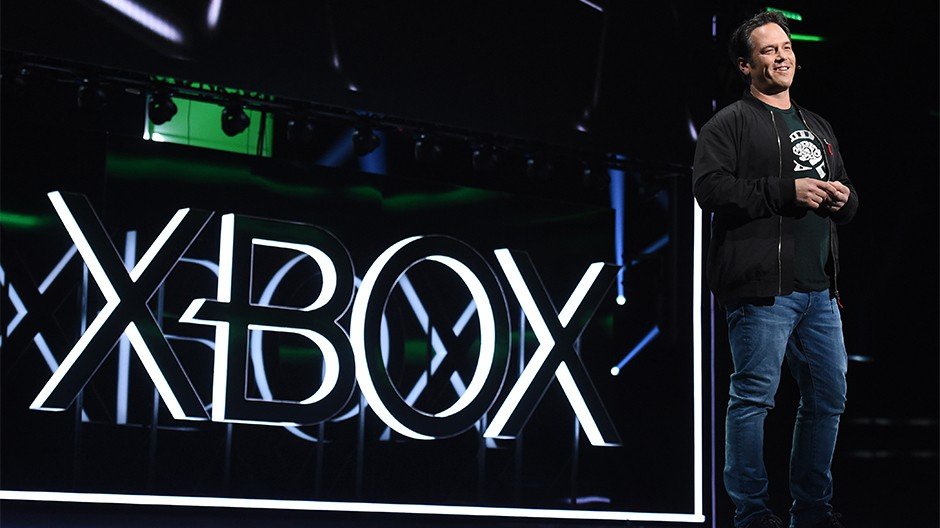
The technology and gaming industries have long watched the executive trajectory of Microsoft’s Xbox division closely, given the platform’s central role in shaping console gaming and its broader ambitions in cloud streaming and subscriber services. Phil Spencer, a pivotal figure in Xbox’s modern era, announced his retirement after a 38-year tenure at Microsoft. Spencer’s leadership helped reshape Xbox through a series of high-profile acquisitions and a sustained bet on cloud gaming, positioning the division to compete more aggressively with rival consoles and with streaming platforms for games as a service.
In a leadership move that underscores Microsoft’s intent to continue evolving its gaming strategy, Asha Sharma has been named as the new CEO of Xbox Gaming. Sharma brings experience rooted in Seattle’s vibrant startup ecosystem and a deep background in consumer platforms. Her appointment signals a focus on scaling Xbox’s consumer-facing initiatives and further developing the company’s cloud-enabled gaming strategy, including initiatives that extend beyond traditional console exclusivity.
Alongside these announcements, Xbox President Sarah Bond is departing from the company. Bond’s exit marks another significant leadership transition within Xbox, potentially signaling a broader reorganization as Microsoft recalibrates its gaming portfolio to align with its cloud and services-oriented growth model.
This set of changes arrives as the gaming industry continues to navigate competitive pressure from other console ecosystems, the expansion of cloud gaming, and the ongoing demand for engaging content and community experiences. The following sections provide a detailed look at the leadership transition, the implications for Xbox’s strategy, and the broader impact on Microsoft’s gaming ambitions.
In-Depth Analysis
Phil Spencer’s near-30-year career at Microsoft culminated in a tenure that profoundly influenced the direction of Xbox. When Spencer took the helm, the console landscape saw a need for a more aggressive strategy in both exclusive content and platform-wide services. Under his leadership, Microsoft pursued a capital-intensive approach to acquisitions, aiming to secure first-party studios and strengthen its catalog of exclusive and timed-exclusive games. This period also marked a clear pivot to cloud gaming, with Microsoft investing heavily in technologies designed to deliver games over the internet and reduce dependence on hardware alone.
Spencer’s approach helped redefine Xbox not just as a hardware platform, but as a comprehensive gaming ecosystem that integrates hardware, software, and services. The emphasis on cloud gaming, in particular, reflected a broader industry trend toward on-demand, device-agnostic access to high-quality gaming content. This strategy includes efforts to broaden accessibility through subscription models and streaming capabilities, potentially expanding the addressable market for Xbox content beyond traditional console owners.
Asha Sharma’s appointment to CEO of Xbox Gaming signals an intent to sustain and extend this momentum. Sharma’s background in Seattle’s startup and consumer-platform communities suggests a leadership style oriented toward rapid experimentation, user-centric design, and scalable product development. Her experience may help accelerate the rollout of consumer-facing features, improve onboarding and retention metrics for new subscribers, and optimize cross-platform experiences that bridge console, PC, mobile, and cloud streaming. As the gaming industry increasingly prioritizes seamless experiences across devices, Sharma’s insight could be pivotal in refining how Xbox engages with its community, monetizes content, and negotiates partnerships with developers and publishers.
The departure of Xbox President Sarah Bond adds another layer to the leadership realignment. Bond, who has played a critical role in shaping Xbox’s product strategy and partnerships, will be leaving the company. This transition could reflect a broader redefinition of responsibilities within Microsoft’s gaming leadership or an opportunity for new leadership to assume different aspects of the strategy, including partnerships, product development, or platform governance.
From a strategic perspective, Microsoft appears to be reinforcing its commitment to cloud gaming and subscription-driven growth. The transition away from a long-tenured executive to a new generation of leadership may be aimed at sustaining momentum in areas such as cloud-enabled distribution, game-pass-like ecosystems, and cross-platform play. The success of this strategy will depend on how effectively Sharma can navigate the complexities of developer relationships, content acquisition, and the ongoing pressure to deliver exclusive, high-quality experiences that distinguish Xbox from its rivals.
This leadership shift comes at a time when the gaming industry is balancing content intensity with the economics of game development. The push toward cloud gaming and broader access can democratize play but also necessitates careful management of licensing, streaming latency, and monetization. Xbox’s trajectory under Sharma’s guidance will likely emphasize not only the database of titles and studios but also the technical infrastructure that enables a reliable, low-latency gaming experience for players around the world.
Industry observers will also be watching how Microsoft communicates this transition to developers, partners, and players. Clear messaging about continuity in support for existing titles, ongoing collaborations with external studios, and the roadmap for cloud-based features will be essential to maintain confidence across the ecosystem. The moves could also influence investor sentiment, given the long-term implications for growth in gaming services, hardware strategies, and the integration of Xbox with other Microsoft platforms and services, such as Windows, cloud computing, and AI-enabled experiences.

*圖片來源:Unsplash*
Looking ahead, Sharma’s leadership could catalyze a refreshed emphasis on consumer platforms—applications and services designed to simplify access to games, social features, and community engagement. If executed effectively, this could enhance lifecycle value for players, improve retention for Game Pass members, and expand the global reach of Xbox content. On the other hand, the transition introduces risks related to execution, integration of new leadership styles with established processes, and sustaining momentum across a complex, multi-faceted ecosystem.
The broader market context also matters. The video game industry is experiencing rapid shifts driven by the ongoing adoption of cloud gaming, the emergence of AI-assisted development and personalization, and the continuing consolidation of studios and distribution channels. Microsoft’s leadership changes could influence competitive dynamics as rivals adjust their own strategies for hardware, subscription services, and cross-platform experiences. Stakeholders expect a careful balance between preserving core brand value—reliable access to a deep library of games—and pursuing innovation that differentiates Xbox in a crowded marketplace.
In sum, the retirement of Phil Spencer and the appointment of Asha Sharma to lead Xbox Gaming, together with Sarah Bond’s departure, mark a notable reconfiguration of Microsoft’s gaming leadership. The realignment signals an intent to double down on cloud-enabled experiences, streamlined consumer platforms, and a scalable approach to content and partnerships. How these changes unfold will depend on execution, cross-team collaboration, and the ability to translate strategic vision into tangible product features and customer value over the coming quarters.
Perspectives and Impact
- On customers and players: The leadership changes could translate into more seamless cross-device experiences, faster access to a broader library of games through cloud streaming, and enhanced social and community features. The emphasis on consumer platforms suggests a continued focus on user experience, onboarding, and retention strategies that appeal to both new and veteran gamers.
- On developers and publishers: Clear communication about the roadmap, consistency in platform policies, and investment in developer tools will be critical. Sharma’s background may foster closer collaboration with independent studios and a more developer-friendly ecosystem, which could accelerate exclusive projects and timely releases.
- On Microsoft’s broader strategy: The transition aligns with Microsoft’s broader push into cloud computing, AI, and cross-platform services. Xbox is positioned as a strategic pillar in delivering services that span Windows PCs, Xbox consoles, mobile devices, and cloud infrastructure. The leadership changes could influence how Microsoft prioritizes investments in Game Pass, streaming infrastructure, and first-party studios.
- On the competitive landscape: Rival platforms may respond by accelerating their own cloud ambitions and exclusive content strategies. The effectiveness of Sharma’s leadership in building a robust, differentiating ecosystem will be tested against competitors’ capabilities in hardware innovation, content libraries, and cloud performance.
- On organizational culture: The shifts may bring changes in governance, product development cycles, and collaboration models. Maintaining a cohesive culture across new leadership and existing teams will be essential to sustaining momentum and ensuring that strategic intent translates into measurable results.
Key Takeaways
Main Points:
– Phil Spencer retires after 38 years with Microsoft, leaving a legacy centered on acquisitions and cloud gaming strategy.
– Asha Sharma appointed as the new CEO of Xbox Gaming to lead consumer platforms and cloud-forward initiatives.
– Xbox President Sarah Bond exits, signaling a broader leadership realignment within Xbox and Microsoft Gaming.
Areas of Concern:
– Ensuring continuity of ongoing projects and partnerships during leadership transitions.
– Maintaining momentum in cloud gaming development and Game Pass growth.
– Managing potential cultural shifts as new leadership integrates with established teams.
Summary and Recommendations
The leadership reshuffle at Xbox marks a pivotal moment for Microsoft’s gaming ambitions. Phil Spencer’s retirement closes a chapter defined by transformative acquisitions and a renewed emphasis on cloud-enabled gaming. Asha Sharma’s appointment as CEO of Xbox Gaming introduces a leadership perspective rooted in Seattle’s startup and consumer-platform ecosystems, which could bolster the company’s focus on user experience, scalable product design, and cross-platform integration. With Xbox President Sarah Bond stepping away, the organization faces a period of transition that will require clear communication, strategic clarity, and a continued commitment to delivering high-quality content and compelling services.
To navigate this transition effectively, Microsoft should prioritize several actions:
– Communicate a clear, cohesive roadmap for Xbox that aligns cloud gaming, Game Pass growth, and first-party content, ensuring consistency across console, PC, and mobile experiences.
– Maintain strong partnerships with developers and studios, emphasizing support for independent developers and a predictable release cadence for exclusive and multi-platform titles.
– Invest in tooling and infrastructure to enhance cloud streaming performance, reduce latency, and improve accessibility across regions and devices.
– Preserve the gamer-centric focus that has defined Xbox’s brand, reinforcing community features, social experiences, and value propositions that drive member retention.
– Monitor and support the cultural integration of new leadership, providing resources and mentorship to maintain productivity and morale during the transition.
If executed well, Sharma’s leadership has the potential to accelerate Xbox’s evolution from a traditional hardware-centric platform into a robust, cloud-native gaming ecosystem that resonates with players worldwide. The coming quarters will reveal how effectively Microsoft translates this strategic shift into tangible product enhancements, stronger developer partnerships, and sustained growth in a competitive market.
References
- Original: https://www.geekwire.com/2026/xbox-chief-phil-spencer-retiring-after-38-years-at-microsoft-asha-sharma-named-new-gaming-ceo/
- Additional context and industry considerations: industry analyses and press coverage related to leadership transitions in major tech and gaming firms.

*圖片來源:Unsplash*